
The Surprising Connection between Seasonal Allergies, the Gut, and the Liver
Seasonal Allergies: gut and liver connection
Each spring, millions of people brace for seasonal allergies. Sneezing, congestion, itchy eyes, and fatigue often seem like an inevitable part of the changing seasons. But what if the root cause of these symptoms isn't just the pollen in the air, but an imbalance inside your body?
In functional medicine, we take a whole-body approach to understanding why allergies may become worse or more persistent. Two key players that often get overlooked are the gut and the liver. Here's how they influence allergy symptoms and what you can do to find long-term relief.
How the Gut Influences Allergies
Over 70% of the immune system resides in the gut, where it plays a crucial role in determining how the body reacts to environmental triggers. A healthy gut lining and diverse microbiome help modulate inflammation and histamine responses.
When the gut is compromised due to:
- Dysbiosis (imbalance of gut bacteria)
- Leaky gut (intestinal permeability)
- Food sensitivities
...the immune system may become hypersensitive and start reacting to harmless substances like pollen, dust, or dander. This overreaction can manifest as seasonal allergy symptoms.
Additionally, a poorly functioning gut may impair the body’s ability to break down and eliminate histamine, the chemical responsible for many allergy symptoms such as hives, itching, and nasal congestion.
The Liver's Role in Histamine and Detoxification
Your liver is your body's main filtration and detox organ. One of its many jobs is breaking down excess histamine and clearing it from the bloodstream. If the liver is overburdened with toxins from poor diet, environmental exposures, medications, or alcohol, it may not efficiently process histamine. This can cause histamine to build up in the system, making allergy symptoms worse.
In Traditional Chinese Medicine, spring is considered the season of the liver. Supporting liver function during this time of year can help reduce the burden on your detox pathways and improve how your body handles allergens.
Key Strategies to Support Gut and Liver Health During Allergy Season
If you're looking for natural ways to address the root causes of seasonal allergies, consider these steps:
1. Focus on Gut Health:
- Eat fiber-rich whole foods and prebiotics to feed good bacteria
- Include fermented foods like sauerkraut and kefir (if tolerated)
- Use targeted probiotics to restore microbial balance
- Address constipation or digestive issues
2. Support the Liver:
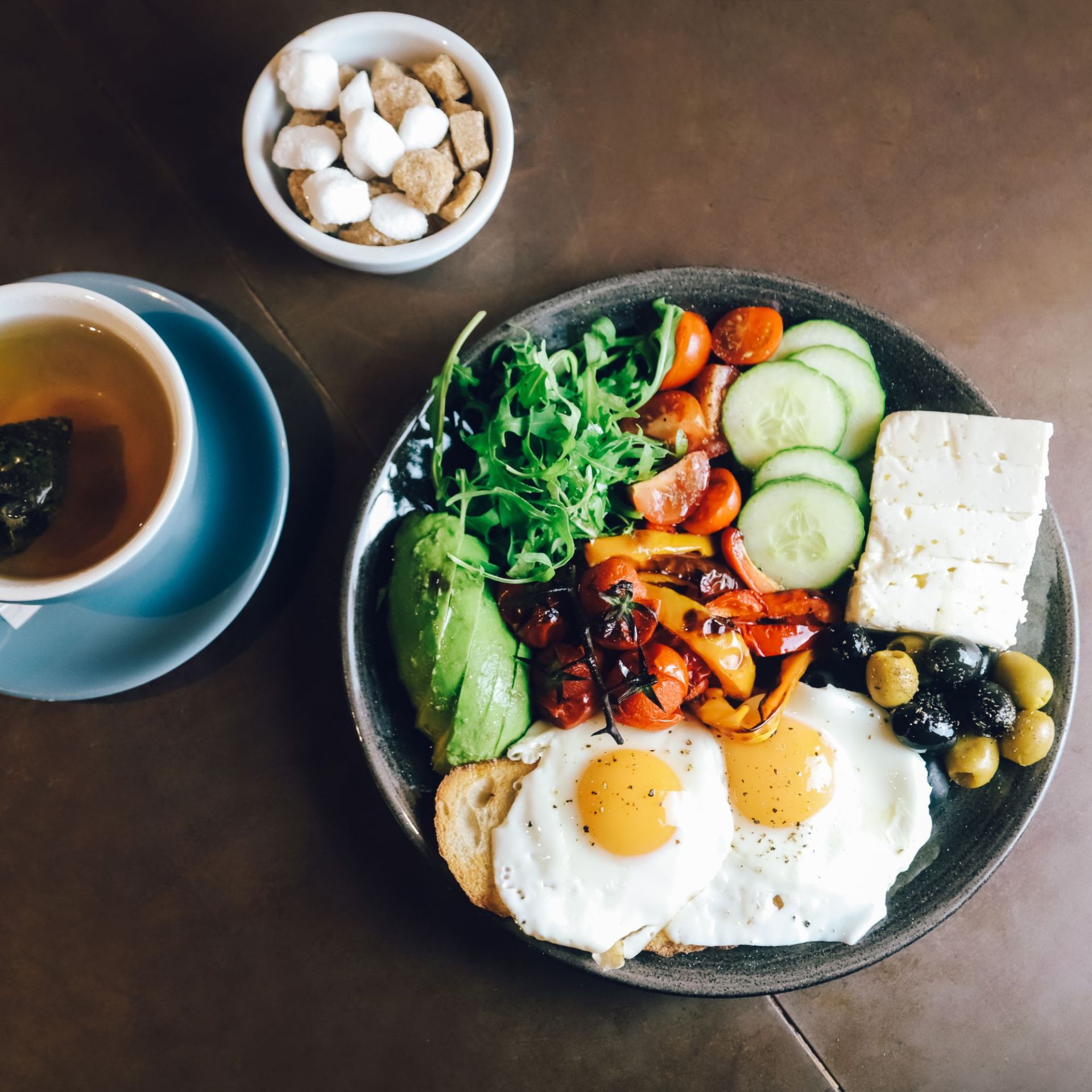
- Incorporate bitter greens (arugula, dandelion, mustard greens)
- Drink warm lemon water in the morning to stimulate bile flow
- Consider liver-supportive herbs like milk thistle, burdock, or dandelion root
- Reduce alcohol, processed foods, and environmental toxin exposure
3. Reduce Histamine Load:
- Be mindful of high-histamine foods like aged cheese, smoked meats, alcohol, and leftovers
- Try natural antihistamines such as quercetin, vitamin C, and stinging nettle
- Identify and eliminate hidden food sensitivities
4. Optimize Detox Pathways:
- Stay well hydrated
- Sweat through movement or sauna use
- Support regular bowel movements
Functional Testing for Deeper Insight
We offer specialized gut and liver function testing to identify underlying imbalances that may be contributing to your allergy symptoms. This can include stool analysis, food sensitivity panels, or toxin panels.
Final Thoughts
Seasonal allergies are not just an external problem—they often signal deeper imbalances in the gut and liver. By addressing these systems through diet, lifestyle, and personalized functional medicine support, you can reduce or even eliminate your allergy symptoms over time.
If you're ready to take a root-cause approach to allergy relief, reach out to schedule a consultation with our team today.