

The Gut-Brain Connection
The Gut-Brain Connection: How Your Digestive Health Impacts Mood, Stress, and Cognitive Function
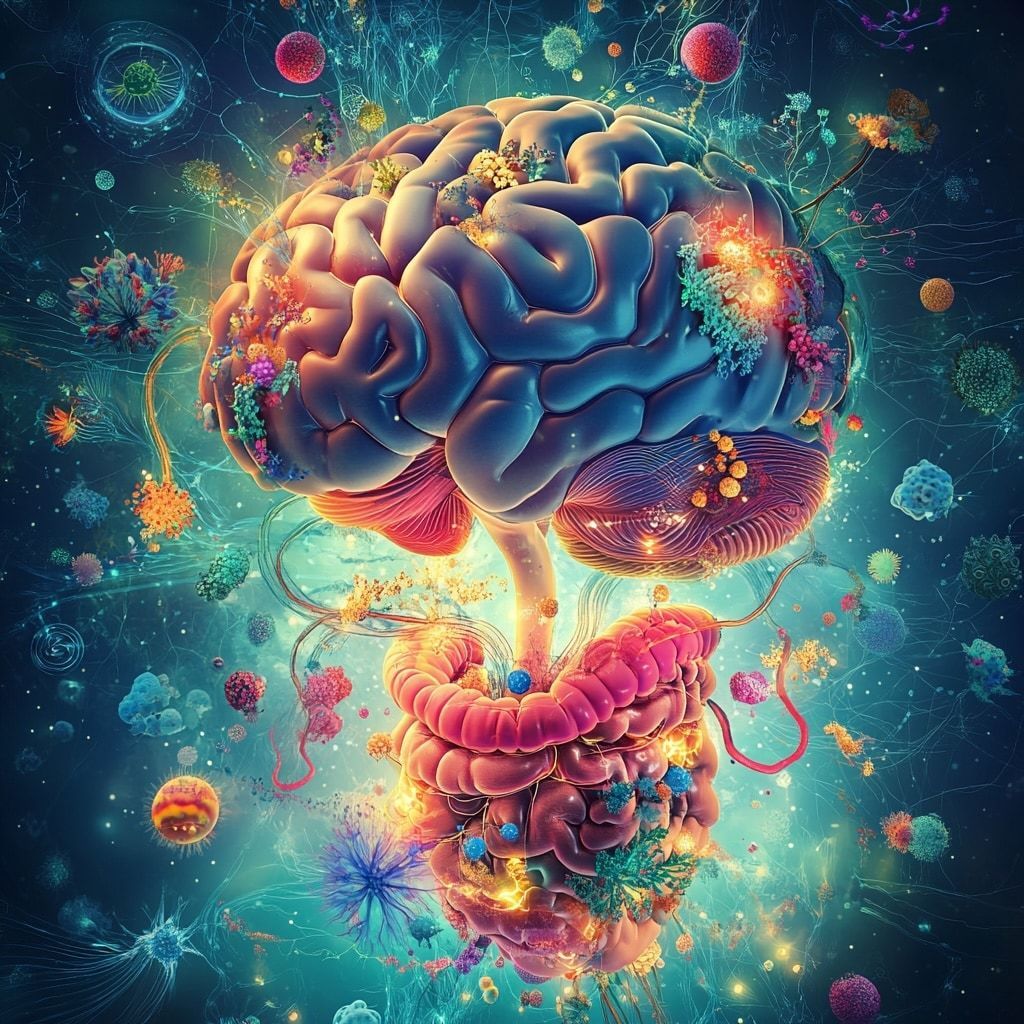
Have you ever noticed that stress affects your stomach, or that digestive issues seem worse during periods of anxiety? That's because your gut and brain are constantly communicating. In fact, scientists often refer to the gut as the body's "second brain" because of the intricate relationship between the digestive system, nervous system, hormones, and immune system.
In functional medicine, we recognize that symptoms such as anxiety, brain fog, low mood, fatigue, and difficulty concentrating may have roots that extend far beyond the brain itself.
Understanding the Gut-Brain Axis
The gut-brain axis is a two-way communication network connecting the brain and the digestive tract. Messages travel through several pathways, including:
- The vagus nerve
- Hormones
- The immune system
- Neurotransmitters produced by gut bacteria
Approximately 90–95% of the body's serotonin and about half of its dopamine are produced in the gut. While these neurotransmitters have many functions, they help regulate mood, sleep, motivation, and overall well-being. When the gut is healthy, communication between the gut and brain is balanced. When inflammation, dysbiosis, or chronic stress are present, that communication can become disrupted.
Signs That Your Gut May Be Affecting Your Brain
Many people are surprised to learn that digestive symptoms do not always have to be severe for gut health to influence mood and cognition. Common symptoms associated with gut-brain imbalance include:
- Anxiety or increased stress sensitivity
- Brain fog and poor concentration
- Depression or low mood
- Fatigue and low energy
- Sleep disturbances
- Bloating, gas, constipation, or diarrhea
- Food sensitivities
- Frequent headaches
How Chronic Stress Impacts Digestion
Stress is not just emotional, it creates physical changes throughout the body. Over time, this stress response can contribute to digestive symptoms while also affecting energy, mood, and resilience.
Chronic stress can:
- Slow stomach acid production
- Alter the balance of beneficial bacteria
- Increase intestinal permeability ("leaky gut")
- Increase inflammation
- Impair nutrient absorption
Foods That Support a Healthy Gut-Brain Connection
Nutrition plays a powerful role in supporting both digestive and mental health.
Fiber-Rich Foods feed beneficial bacteria and promotes the production of short-chain fatty acids, which help reduce inflammation. Examples include:
- Berries
- Chia seeds
- Flaxseeds
- Beans and lentils
- Sweet potatoes
- Leafy greens
Polyphenol-Rich Foods, Polyphenols act as fuel for healthy gut bacteria and have antioxidant properties. Examples include:
- Blueberries
- Green tea
- Extra virgin olive oil
- Dark chocolate
- Herbs and spices
Fermented Foods: These foods naturally provide beneficial bacteria that help maintain microbial diversity. Examples include:
- Sauerkraut
- Kimchi
- Kefir
- Yogurt with live cultures
- Kombucha
Omega-3 Fatty Acids, Omega-3s support healthy brain function and help regulate inflammation. Sources include:
- Wild salmon
- Sardines
- Walnuts
- Chia seeds
- Hemp seeds
Lifestyle Strategies That Benefit Both Gut and Brain
Healing involves more than nutrition alone. Consider incorporating:
- Daily Movement
- Exercise improves blood flow, supports microbial diversity, and stimulates mood-enhancing neurotransmitters.
- Stress Management
- Practices such as yoga, meditation, breathwork, prayer, and spending time in nature can help regulate the nervous system and support digestion.
Prioritizing Sleep
- Poor sleep negatively affects both gut bacteria and stress hormones.
- Aim for 7–9 hours of restorative sleep each night.
- Mindful Eating
- Slowing down, chewing thoroughly, and eating without distractions helps activate the body's "rest and digest" response, improving digestion and nutrient absorption.
Functional Medicine Testing for the Gut-Brain Axis
For individuals experiencing persistent symptoms, functional testing may provide additional insight. Common assessments include:
- Comprehensive stool testing to evaluate the microbiome
- Food sensitivity testing
- SIBO breath testing
- Organic acid testing
- Hormone and cortisol evaluation
- Nutritional blood markers including vitamin D, iron, B12, and omega-3 status
- These tools can help uncover underlying contributors and allow for a personalized approach to healing.
The Bottom Line
The health of your gut affects far more than digestion. It influences your mood, energy, stress response, immune system, and cognitive function. Supporting the gut-brain connection through nutrition, lifestyle changes, and targeted functional medicine testing can help create a stronger foundation for overall health and resilience. If you're struggling with digestive symptoms, fatigue, anxiety, or brain fog, remember that these symptoms are messages, not just inconveniences. Identifying and addressing the root causes can be an important step toward feeling your best.