
Learning To Trust Your Body After Chronic Symptoms
Learning to Trust Your Body Again After Chronic Symptoms

If you’ve lived with chronic symptoms such as digestive issues, fatigue, pain, anxiety, hormone imbalances, then you know this truth deeply:
At some point, your body stops feeling like a safe place.
Instead of trust, there’s vigilance.
Instead of curiosity, there’s fear.
Instead of listening, there’s constant monitoring.
You wake up wondering, “How will I feel today?”
You analyze every sensation.
You question every food choice.
You brace yourself for symptoms returning.
And honestly? That makes sense.
When your body has felt unpredictable for a long time, hyper-awareness becomes a survival strategy. It’s not weakness. It’s protection.
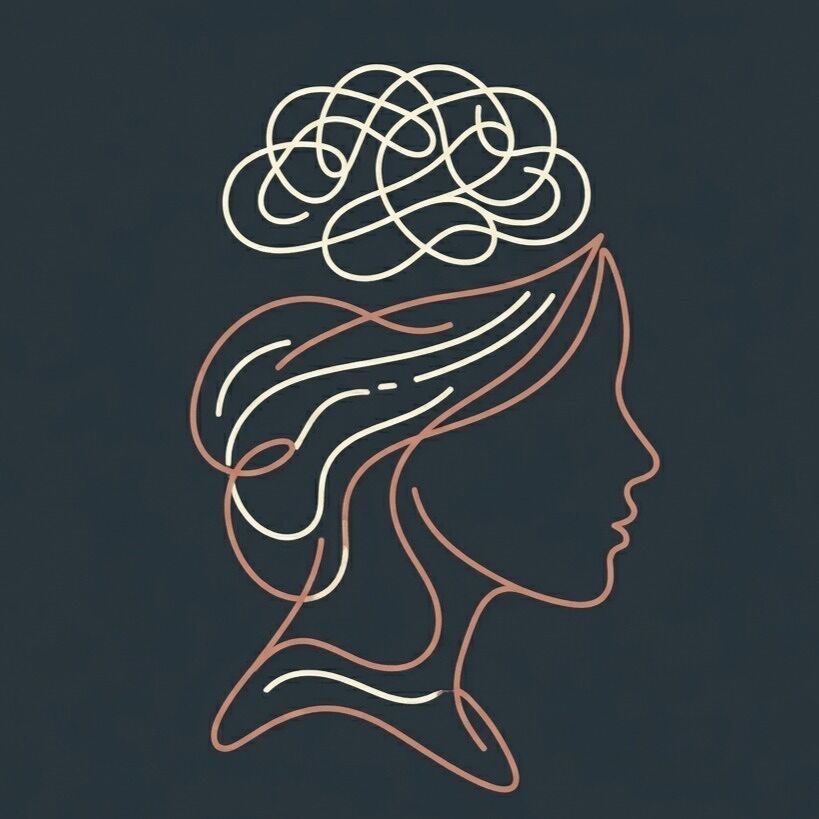
But over time, that constant scanning can actually keep the nervous system — and the gut — stuck in a loop.
When Symptoms Become the Focus
Many of the people I work with are doing all the right things:
- They’ve addressed gut infections
- They’ve cleaned up their diet
- They’ve supported hormones and digestion
- They’ve worked hard to heal
And yet, they still don’t feel relaxed in their body.
Why? Because healing isn’t just about removing symptoms- it’s about rebuilding trust.
When the body has been in distress for months or years, it learns to stay on guard. The nervous system becomes primed to expect something to go wrong, even when things are improving.
This is especially true for people who:
- Have had SIBO or chronic gut issues
- Live with anxiety or past trauma
- Have experienced medical stress or dismissal
- Tend toward perfectionism or high responsibility
Your body learned to stay alert for a reason.
Healing Isn’t Just Fixing — It’s Relearning Safety
One of the most important (and overlooked) phases of healing is the transition from:
“What’s wrong with my body?”
to
“My body is communicating with me.”
This shift doesn’t happen overnight.
It happens slowly, through experiences of:
- Symptoms easing and returning without catastrophe
- Flares resolving with gentle support
- Learning that discomfort doesn’t always mean danger
- Feeling supported instead of panicked when something feels off
In other words, trust is rebuilt through consistency and compassion, not force.
Why Symptoms Can Flare During Growth
Something we often tell clients is this: Symptoms don’t always mean you’re going backward.
In fact, symptoms often show up:
- During emotional growth
- Around big life events
- During hormonal shifts
- When stress levels change
- When you finally feel safe enough to feel
This doesn’t mean your body is broken again.
It means your system is sensitive, and learning.
When we respond to flares with fear, restriction, or urgency, the body tightens.
When we respond with support, reassurance, and steadiness, the body learns.
How to Begin Trusting Your Body Again
Rebuilding trust is not about ignoring symptoms.
It’s about changing how you respond to them.
Here are a few gentle shifts that matter more than people realize:
🌿 1. Shift from Panic to Curiosity
Instead of “What’s wrong?” try “What might my body need right now?”
🌿 2. Support Before You Fix
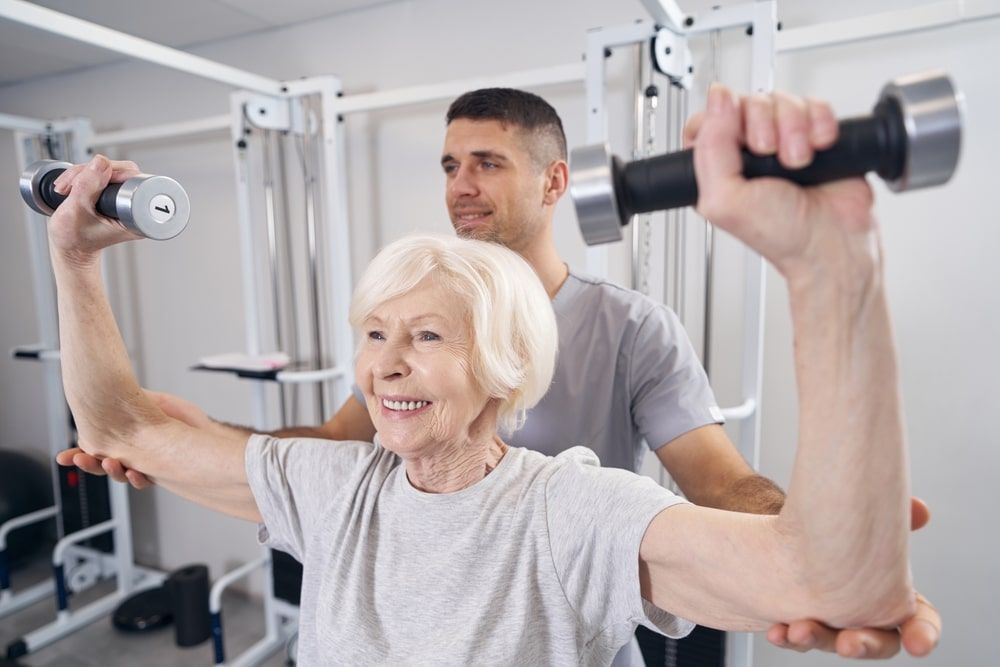
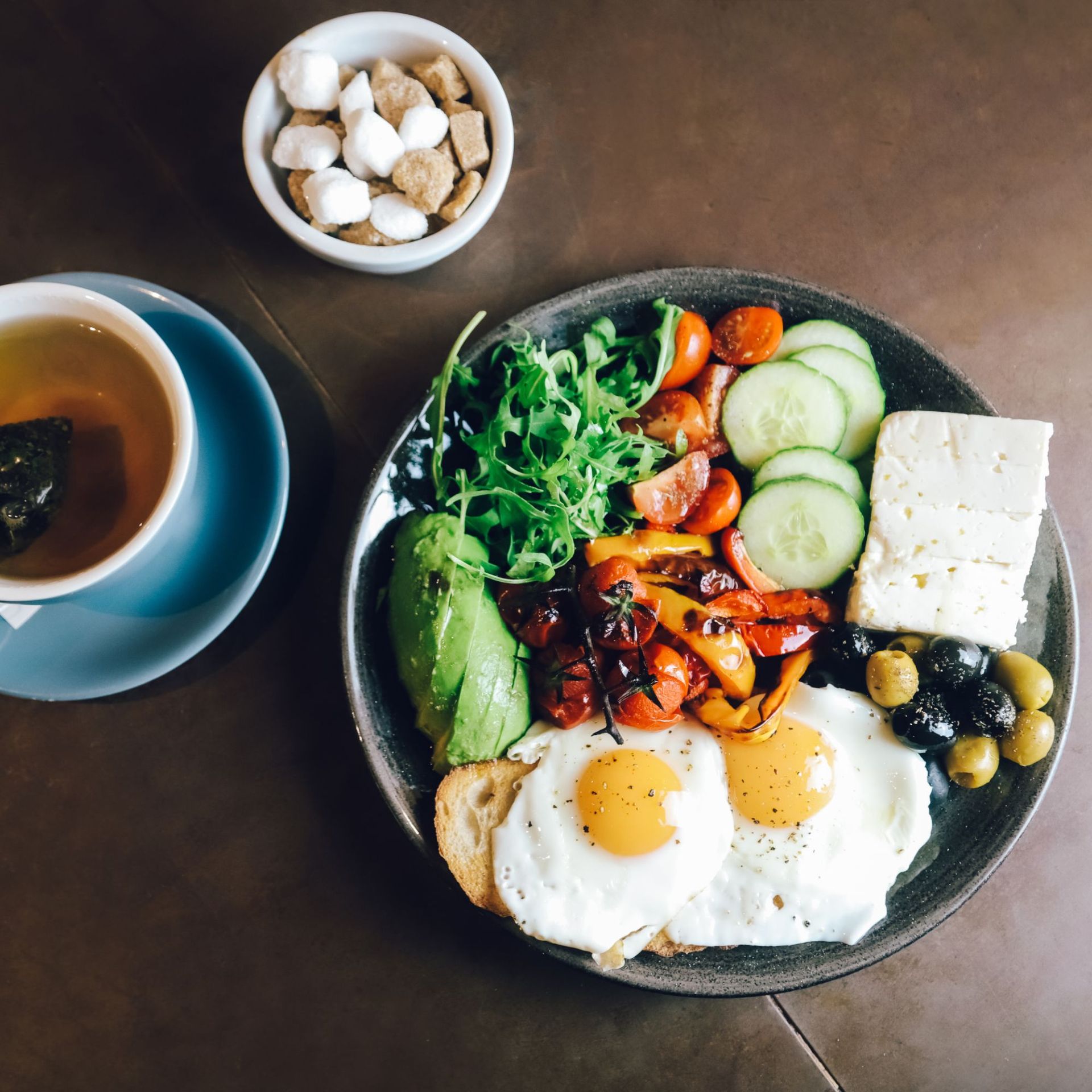
Heat, breath, gentle movement, nourishment- these often calm the system faster than protocols.
🌿 3. Notice What Helps
Each time symptoms pass, your nervous system logs evidence that your body can recover.
🌿 4. Stop Making Every Sensation a Diagnosis
Not every symptom means relapse, failure, or danger.
🌿 5. Build Predictability
Regular meals, sleep, movement, and routines create safety signals the body craves.
Trust Is a Practice, Not a Decision
Learning to trust your body again isn’t about flipping a switch.
It’s about slowly creating a new relationship with yourself, one that’s rooted in:
- Listening instead of controlling
- Supporting instead of fighting
- Believing your body wants to heal
Your body is not working against you.
It’s been doing its best to protect you.
And with the right support, it can learn that it’s safe to soften again.
If you’re navigating chronic symptoms or trying to rebuild trust in your body after a long healing journey, you don’t have to do it alone.
This work is nuanced, layered, and deeply human, and it deserves to be supported with care.