
Let's Talk About Poop
Let's Talk About Poop....
If you’re not having at least one bowel movement a day, your body is literally holding on to what it’s meant to eliminate — hormones, toxins, and waste.
And that backup doesn’t just feel uncomfortable. When poo sits too long, those old hormones and toxins get reabsorbed into your bloodstream. Over time, this can trigger:
Digestive problems: bloating, gas, constipation, IBS, and even SIBO flare-ups
Hormone imbalances: worsening PMS, irregular cycles, PCOS, endometriosis, or stubborn weight gain
Mood + brain symptoms: anxiety, irritability, brain fog, poor sleep, or low energy
Chronic inflammation: headaches, acne, joint pain, skin rashes, or histamine reactions
Daily, complete bowel movements aren’t “optional,” they’re a marker of how well your gut, liver, and nervous system are working together. There are simple, powerful ways to get things moving naturally. Here are some helpful tips:
1. CHEW YOUR FOOD (10–20x PER BITE)
Chewing is where digestion actually starts. Your saliva has enzymes that start breaking down carbs and sends the signal for your stomach to release acid. If you half-chew and swallow big chunks, your stomach and intestines are stuck doing all the heavy lifting. This can cause bloating, heaviness, inflammation and constipation.
- Slow down at mealtimes (no phones, no Netflix multitasking)
- Take 5 deep breaths before eating to shift into “rest + digest” mode
- Notice textures, smells, flavors of each bite
- Think of meals as mini meditations. Have gratitude for your food.
2. START WITH WARM, SAVORY BREAKFASTS
Cold, sugary breakfasts (fruit, fruit only smoothies, cereal, toast) spike blood sugar and cortisol, leaving you anxious, bloated, and crashing by mid-morning. Cold foods also slow down digestive enzymes, so food sits in your gut and ferments. Skipping breakfast tanks your energy, spikes anxiety and cravings, and messes with your circadian rhythm (your sleep–metabolism–hormone clock). When that’s thrown off, everything from digestion and bloating to hormones, PMS, PCOS, and even adrenal fatigue can flare up.
- Swap cold/sugary breakfasts for warm, protein-rich meals
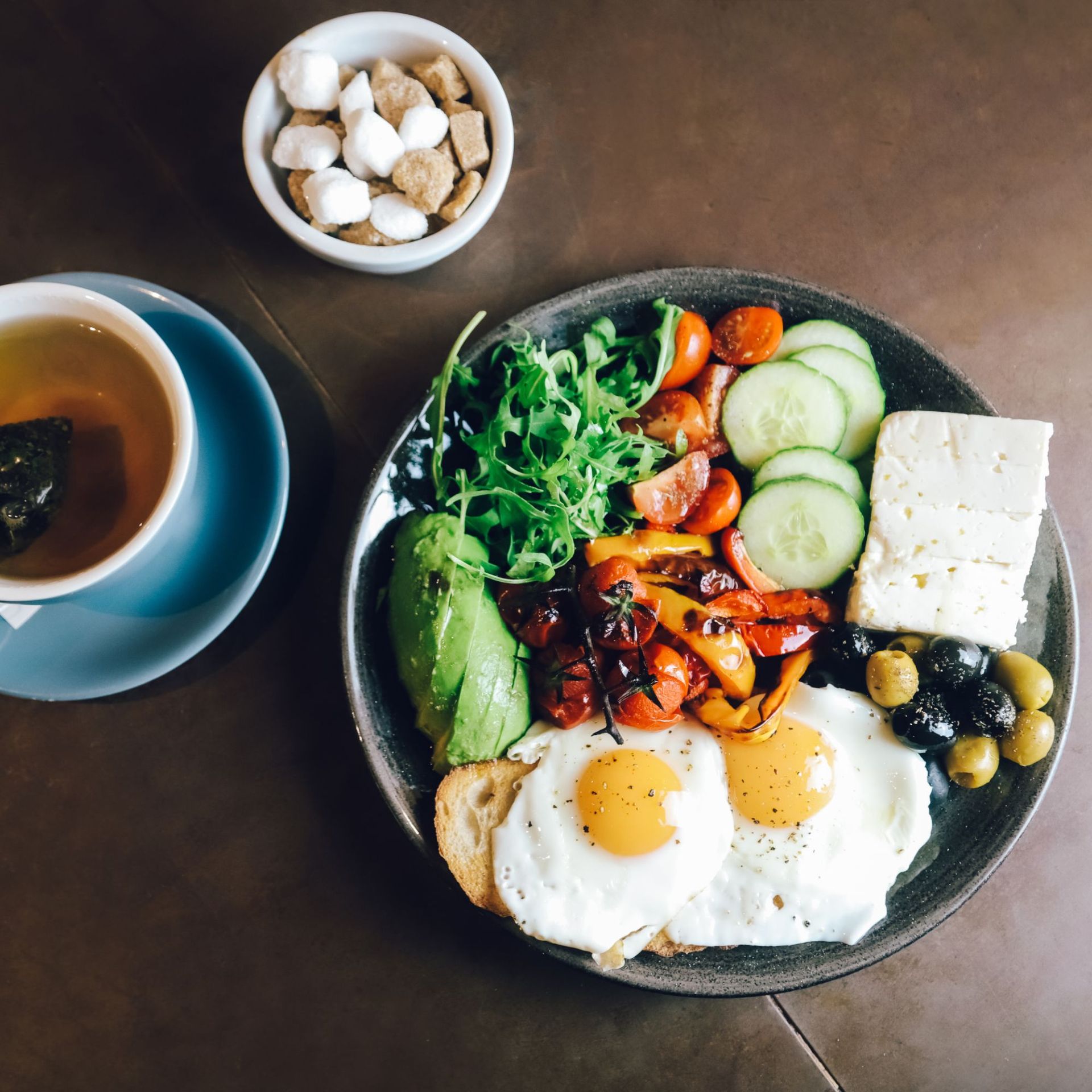
Examples: eggs with greens + bacon, bone broth veggie soup, Bilinski’s chicken sausage + sweet potato hash
- If you intermittent fast, break your fast with a warm savory meal instead of skipping altogether
- Wake up and drink 10-16 ounces of room temperature water to get things moving!
3. SUPPORT STOMACH ACID
Low stomach acid (hypochlorhydria) is one of the most overlooked root causes of constipation, bloating, reflux, and nutrient deficiencies. Without enough stomach acid, proteins sit in your gut and ferment instead of breaking down. That not only leads to bloating and heaviness, but also poor absorption of key nutrients like B12, zinc, iron, calcium, and magnesium. Over time, this can snowball into fatigue, hair loss, hormone issues, and weak immunity.
Remember: you’re not just what you eat — you’re what you absorb.
WHY WE’RE OFTEN DEFICIENT: Chronic stress, processed foods, vegan/vegetarian diets, alcohol, and years of popping antacids (like Zantac or Pepcid) all deplete stomach acid.
And here’s the kicker — most people think their reflux or heartburn comes from too much stomach acid, but for the majority, it’s actually the opposite. Low acid means food sits in the stomach longer, ferments, and pushes acid back up into the esophagus where you feel that ‘heart burn’ sensation, meaning- it’s acid in the wrong place because digestion is sluggish.
SIGNS YOU MIGHT NEED MORE STOMACH ACID:
- Heaviness or bloating especially after protein-rich meals
- Bloodwork showing low protein, magnesium, B12, iron, zinc and calcium.
- Burping food hours later
- Undigested food in your poo
- Constipation or skinny poops
- Craving vinegar or lemon (your body begging for acid)
WHAT TO DO:
- Supplement support: betaine HCl + pancreatic enzymes to help break down protein, absorb nutrients, and stimulate proper digestive flow.
- Chew your food: (remember Rule #1!) Chewing naturally stimulates stomach acid production. If you want to start the free, natural way before trying a supplement, begin there.
Caution: If you have an active ulcer, gastritis, or are taking prescription acid-blocking medications, don’t add betaine HCl without working with a practitioner.
4. EAT ENOUGH FATS
Healthy fats are like natural lube for your digestive system. Without enough fat, your poop dries out, gets hard, and slows down. Plus, fats are the raw material for your hormones. Low-fat diets = more constipation, worse PMS, fatigue, and mood swings.
WHAT TO DO:
- Add healthy fats to every meal: avocado, olive oil, ghee, coconut oil, sesame oil.
- Try a teaspoon of freshly ground flaxseed or sesame oil daily to “grease the wheels” if you’re backed up.
- Rotate your fats — variety keeps your body happy.
- Don’t fear fat: your hormones are literally made from cholesterol, and low-fat diets can worsen constipation, PMS, and fatigue.
- Fats from real food will not make you fat.
5. SUPPORT BILE FLOW
Have a hard time digesting fatty foods? You may not have enough bile to break it down.
WHY IT MATTERS:
Bile is your body’s natural “soap.” It digests fats, stimulates peristalsis (poop moving through the chute), and binds toxins + old hormones so they can actually leave. When bile is sluggish, everything slows — constipation, heaviness after meals, hormonal imbalances, and inflammation.
SIGNS YOU MIGHT HAVE SLUGGISH BILE:
- Fried foods give you a stomachache or you avoid them all together
- You avoid fatty cuts of meat because you know you’ll feel awful after
- Constipation with pale, clay-like, or hard stools
- Floating stools or oily residue in the toilet
- Right-sided tightness under your rib cage
- “Never-ending wipe”
- History of gallbladder removal or sluggish liver detox
WHAT TO DO:
Ox Bile supplement supports healthy bile flow, gallbladder function, and liver detox pathways so your body can actually break down fats and get rid of what it doesn’t need.
6. BALANCE YOUR FIBER (SOLUBLE + INSOLUBLE)
This is one of those that sounds boring just like ‘drink more water’. But here’s the thing, fiber is essential and most people are eating the same 5 beige/brown foods on repeat and not getting enough.
Ask yourself:
- How many different colors of veggies do I actually eat in a day?
- Am I just rotating broccoli and spinach on repeat?
- Do I hit 2 different colors of veggies at every meal?
- Or am I basically living off bread, rice, cheese, and coffee?
WHY IT MATTERS:
Your gut bacteria thrive on diversity. Different fibers feed different strains, which produce short-chain fatty acids (like butyrate) that fuel your colon cells → smooth, easy poops. Eat the same thing every day? Your microbiome stays weak. And if your gut’s already sensitive, raw salads can actually make bloating worse. So it’s best to eat COOKED veggies.
WHAT TO DO:
- Eat at least 2 different colored veggies at every meal.
- Aim for one of each of these categories:
- Soluble fiber (softens + bulks stool): carrots, beets, sweet potatoes, squash, onions, avocado, adding chia or flax.
- Insoluble fiber (adds sweep + structure): kale, broccoli, cabbage, celery, zucchini (skin on), peppers, peas.
- Cook your veggies (roasted, steamed, stir-fried) to make it easier on your gut
7. RESTORE YOUR MICROBIOME
If you want better bowel movements, you have to fix your microbiome.
WHY IT MATTERS:
- Your gut is home to trillions of bacteria that keep things moving.
- Good bacteria break down fiber into butyrate (which literally fuels your colon).
- Bad bacteria crank out toxins + gas that stall motility, inflame your gut, and leave you constipated, running to the bathroom, or swinging between both.
- Dysbiosis (too many bad bugs, not enough good ones) = sluggish, irregular poops.
WHAT TO DO:
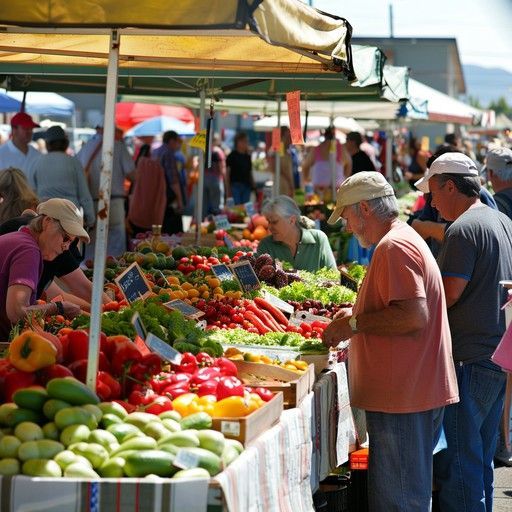
- Eat a wide variety of veggies — different fibers feed different bugs.
- Book a session with Tracy. Mica, or Raechel. We will go over all of these details and do a comprehensive gut test to see what’s actually happening in your gut.
- Signs you may need it: chronic constipation or diarrhea, bloating, history of antibiotics, skin issues, fatigue, anxiety.
- Bottom line: balance your bugs, balance your bowels.
8. REGULATE THE VAGUS NERVE
Does stress affect your bathroom trips? Can’t go when you travel? Constipated after a fight with your partner? Yeah… that’s your nervous system talking.
WHY IT MATTERS:
Pooping only happens when you’re in parasympathetic “rest + digest” mode. Stress flips you into fight-or-flight — and motility shuts down.
WHAT TO DO:
- Frequency Specific Microcurrent with Dr. Madelyn (amazing for calming your nervous system + stimulating motility)
- Belly breathing before meals
- Daily stress practices (meditation, journaling, nature walks) — consistency matters more than SOS moments
- Swap 4-5x/week intense HIIT/spin for yoga, Pilates, walking → your gut and adrenals will thank you
9. MOVE YOUR BODY (GENTLE + CONSISTENT)
You don’t need to crush yourself at the gym to get digestion moving.
WHY IT MATTERS:
Movement literally massages your intestines and stimulates peristalsis. But overtraining can spike cortisol and make constipation worse.
WHAT TO DO:
- Walk 10–15 minutes after meals (simple, effective, underrated)
- Aim for 8000 steps a day
- Try yoga twists + stretches to gently stimulate motility
- Keep HIIT in moderation — more is not always better
10. CREATE A POOP RITUAL
Your colon loves routine — it thrives on rhythm and predictability. When you keep hitting the snooze and rush out the door, you don’t give yourself enough time to let it flow.
WHY IT MATTERS
Consistency strengthens the gut-brain connection. Training your body to “go” around the same time daily helps keep things regular.
WHAT TO DO:
- Sit on the toilet at the same time daily
- Use a Squatty Potty for optimal alignment
- Give yourself 5–10 minutes of calm — don’t rush and don't strain
11. TRY CASTOR OIL PACKS
Castor oil packs are one of the most old-school, underrated constipation hacks.
WHY IT MATTERS:
They increase lymphatic flow, reduce inflammation, and stimulate bowel movements. Bonus: they support your liver + gallbladder detox overnight when those organs are most active.
WHAT TO DO:
- Apply castor oil to your abdomen, cover with a pack, and wear overnight with gentle heat
- Best time = evening
- Sold in our office or BUY HERE
12. AVOID COLD FOODS + DRINKS
WHY IT MATTERS:
Cold drinks dilute stomach acid, slow enzyme activity, and causes foods to ferment instead of digesting in an efficient time.
WHAT TO DO:
- Swap ice water for room temp
- Choose hot coffee or tea over iced
- Warm up leftovers, preferably on the stovetop
- Add warming spices (ginger, cinnamon, black pepper) if you do eat raw
13. Supplements to help constipation (because “better out, than in!”) include Magnesium citrate and oxide (ColonX and Tri-Magnesium in our office) high dose Vitamin C, pre and probiotics, and motility activators, such as ginger and artichoke.
WHY IT MATTERS
By improving motility and ensuring consistent bowel movements, these supplements help reduce inflammation, support microbial balance, and keep the digestive system moving the way it’s designed to—promoting more energy, clearer thinking, and a calmer gut.
14. Hydration: Why Drinking More Water Matters for Motility
Adequate hydration is one of the simplest—and most overlooked—foundations of healthy digestion. Water helps soften and bulk the stool, making it easier for the colon to move waste efficiently. When we don’t drink enough, the colon pulls water out of the stool to conserve hydration, which leads to harder, drier stools and slower transit time.
Poor hydration can also reduce the effectiveness of fiber, probiotics, and motility supplements because they all rely on water to do their job. For example, fiber needs water to form a gel-like substance that supports smooth movement through the intestines, and magnesium works best when the body is well-hydrated.
Bottom line: drinking enough water keeps things moving. It supports peristalsis (the wave-like muscle contractions of the gut), prevents stool from becoming compacted, and reduces straining—ultimately promoting better motility, less bloating, and more predictable digestion. Drink half your body weight in ounces per day.
15. HEAL THE ROOT CAUSE
If you’ve tried everything on this list and you’re still constipated, bloated, or stuck in the cycle of “skinny poops,” that’s not a sign your body is broken. It’s a sign something deeper is going on — like SIBO, parasites, blood sugar dysfunction, or hormone imbalances — and it’s time to get some answers and a targeted treatment plan. We can take a deeper dive into what else might be happening so you can finally find relief! Reach out to get scheduled!