

Continuous Glucose Monitoring: What Your Blood Sugar Is Trying to Tell You
How a Continuous Glucose Device Can Help You
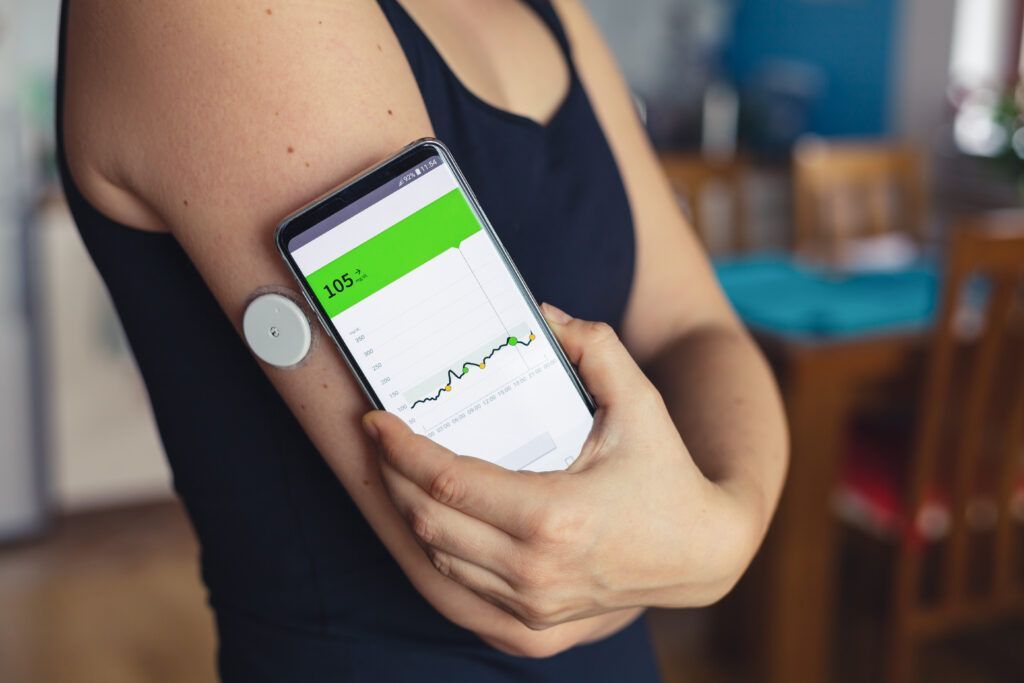
Blood sugar is one of the most important, and often overlooked, foundations of health.
Even in people who are not diabetic, blood sugar imbalances can quietly drive fatigue, weight gain, hormone disruption, inflammation, and long-term chronic disease. The challenge is that most people don’t realize it’s happening.
This is where Continuous Glucose Monitoring (CGM) becomes a powerful tool. It allows us to move beyond guessing and start understanding exactly how your body responds to your daily choices: your food, your stress, your sleep, and your movement.
Why Blood Sugar Stability Matters
Your body is constantly working to keep blood sugar within a tight, healthy range. When it does, you feel:
- Steady energy throughout the day
- Fewer cravings (especially sugar and carbs)
- Better focus and mental clarity
- Balanced mood
- More stable hormones
- Reduced inflammation
Stable blood sugar is not just about preventing diabetes, it is foundational for metabolic, hormonal, and nervous system health.
What Happens When Blood Sugar Is Not Stable
Many people are on a blood sugar rollercoaster without realizing it.
When blood sugar spikes too high and then crashes, it can lead to:
- Energy crashes and fatigue
- Intense cravings (especially in the afternoon or late at night)
- Irritability or anxiety
- Brain fog
- Poor sleep
- Increased fat storage, especially around the abdomen
- Hormone imbalances
- Increased inflammation
Over time, these patterns can contribute to insulin resistance, metabolic dysfunction, and increased risk for chronic disease. But even before that point, you’ll feel it in your day-to-day life.
The Cortisol–Blood Sugar Connection
Blood sugar and stress are deeply connected.
When your body perceives stress, whether it’s emotional stress, lack of sleep, over-exercising, or even under-eating, it releases cortisol, your primary stress hormone.
Cortisol raises blood sugar to give your body quick energy for a “fight or flight” response.
This means:
- Chronic stress can keep blood sugar elevated
- Blood sugar crashes can trigger more cortisol release
- You can get stuck in a cycle of stress → blood sugar spikes → crashes → more stress
This is why addressing blood sugar is not just about food, it’s also about supporting the nervous system and regulating stress.
What Impacts Your Blood Sugar?
Most people think blood sugar is only affected by sugar or carbohydrates, but it’s much broader than that.
1. Food
- Macronutrient balance (protein, fat, carbs)
- Meal timing
- Portion sizes
- Food quality
Even “healthy” foods can spike blood sugar depending on your unique physiology.
2. Stress
- Emotional stress
- Mental overload
- Poor sleep
- Nervous system dysregulation
You can have a perfectly balanced meal, but if you’re eating in a stressed state, your blood sugar may still spike.
3. Exercise
- Movement can stabilize blood sugar
- Overtraining or high-intensity exercise can spike it (especially if already stressed)
- Timing of exercise matters
This is why a personalized approach matters, what works for one person may not work for another.
What Changes When Blood Sugar Becomes Stable
When we bring blood sugar into balance, the changes can be significant:
- More consistent energy (no more afternoon crashes)
- Reduced cravings and better appetite regulation
- Improved sleep quality
- Better mood and emotional resilience
- Easier weight management
- More balanced hormones
- Reduced inflammation
Many patients tell me this is one of the most impactful shifts they’ve made in their health.
Why Use a Continuous Glucose Monitor?
A CGM gives you real-time insight into how your body responds.
Instead of guessing, you can actually see:
- How specific meals affect you
- How stress impacts your physiology
- How your workouts influence blood sugar
- Your patterns throughout the day and night
It removes the “one-size-fits-all” approach and replaces it with data-driven, personalized care.
How We Work With Clients Using CGM
We help our patients get set up with a Continuous Glucose Monitor and guide them through understanding their data in a way that feels simple and actionable.
We review your data every two weeks and look at:
- Your blood sugar patterns
- What’s working well
- Where your body may need more support
- Specific adjustments to nutrition, lifestyle, and stress
From there, we create a personalized plan based on your physiology, not guesswork.
The goal is not perfection, it’s awareness, understanding, and sustainable change.
If you’ve been struggling with energy, cravings, hormone imbalances, or just feel like something is “off,” blood sugar is often a key piece of the puzzle.
And the best part is you don’t have to figure it out alone. Set up an initial appointment with Raechel to assess your current habits/diet/lifestyle and to get going with a CGM plan!