
Build a Better Breakfast: Why Your First Meal Sets the Tone for Your Entire Day
Build a Better Breakfast: Here's How!
You've probably heard that breakfast is the most important meal of the day. While that isn't necessarily true for everyone, what you choose to eat when you break your fast can have a significant impact on your energy, focus, cravings, mood, and blood sugar throughout the day.
Many of our patients we work with struggle with mid-morning fatigue, afternoon cravings, or feeling hungry shortly after eating breakfast. More often than not, the problem isn't that they're eating breakfast, it's that they're eating the wrong breakfast.
Why Protein Matters
Protein is the foundation of a satisfying, balanced breakfast. Unlike refined carbohydrates, protein takes longer to digest, helping you feel full longer while supporting stable blood sugar levels. It also provides the amino acids your body needs to build and repair muscle, produce hormones and neurotransmitters, and support a healthy immune system.
Starting your day with adequate protein may help:
- Reduce mid-morning hunger
- Improve energy and mental focus
- Support healthy blood sugar regulation
- Reduce cravings later in the day
- Preserve muscle mass during weight loss
- Support metabolism and healthy aging
As a general guideline, we recommend aiming for 25–30 grams of protein at breakfast, though individual needs may vary.
The Breakfast Mistakes We See Most Often
1. Eating Mostly Carbohydrates
A bowl of cereal, toast with jam, pastries, or even flavored oatmeal may seem like convenient breakfast choices, but they're often high in carbohydrates and low in protein.
This combination can lead to a quick spike in blood sugar followed by a crash a few hours later, leaving you tired, hungry, and reaching for another snack.
2. Skipping Breakfast Altogether
Skipping breakfast isn't automatically unhealthy, especially if you're intentionally practicing intermittent fasting and it fits your lifestyle.
However, many people skip breakfast simply because they're busy, only to find themselves ravenous by lunchtime. This often leads to overeating later in the day or making less nutritious food choices. This is especially true if you drink coffee in the morning without eating. This can increase cortisol, adding to more stress on your body.
The key is to find an eating pattern that supports your energy, hunger cues, and overall health goals.
3. Not Eating Enough Protein
Even breakfasts that seem healthy, like yogurt with fruit or avocado toast, often fall short on protein. Adding eggs, Greek yogurt, cottage cheese, protein powder, turkey sausage, smoked salmon, or another high-quality protein source can make a significant difference in how satisfied you feel.
What Does a Balanced Breakfast Look Like?
A simple way to build a nourishing breakfast is to include:
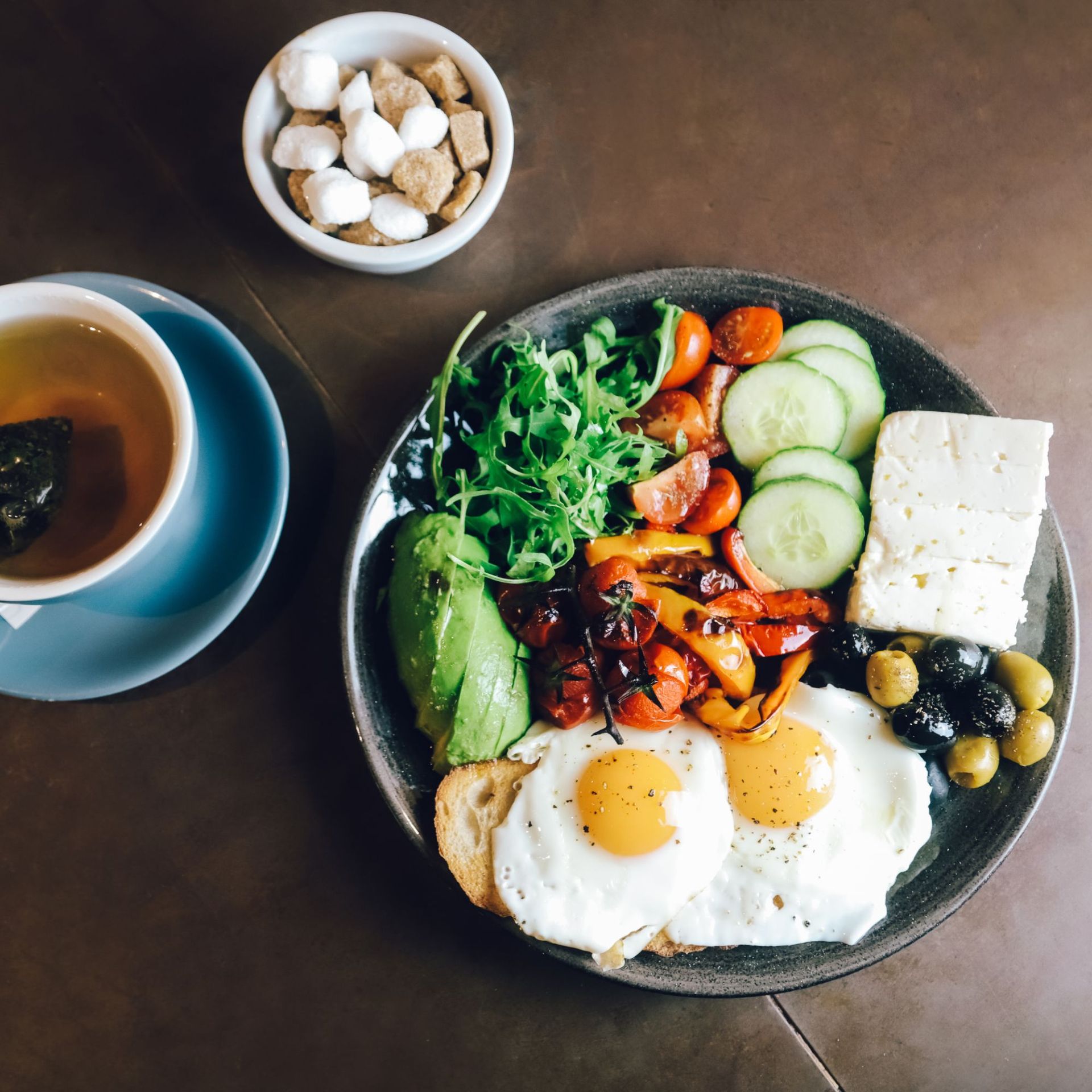
- Protein: Eggs, Greek yogurt, cottage cheese, protein smoothie, chicken sausage, turkey sausage, smoked salmon, leftover chicken or steak
- Healthy fats: Avocado, nuts, seeds, nut butter
- Fiber-rich carbohydrates: Berries, vegetables, oats, sweet potato, whole fruit
- Optional healthy carbohydrate: Depending on your activity level and health goals
Think of your breakfast as an opportunity to fuel your body, not just fill your stomach.
Breakfast Ideas
Here are a few balanced options that provide plenty of protein:
Veggie Egg Scramble
- Eggs
- Spinach
- Mushrooms
- Bell peppers
- Avocado
Greek Yogurt Bowl
- Plain Greek yogurt
- If dairy free, coconut milk yogurt and add protein powder
- Berries
- Chia seeds
- Walnuts
- Cinnamon
Protein Smoothie
- Protein powder
- Unsweetened milk of choice and/or water
- Frozen berries
- Spinach
- Ground flaxseed
- Nut butter
- Hemp seeds (3 tbsp=10 grams of a complete protein!)
Breakfast Hash
- Ground turkey or chicken sausage
- Sweet potatoes
- Peppers
- Onions
- Eggs
Overnight Oats
- Organic, gluten free oats
- chia seeds
- berries
- dairy free milk
- maple syrup to sweeten
- protein powder
- serve with hemp seeds and nuts
Leftovers for Breakfast
Who says breakfast foods have to be breakfast foods? Leftover grilled chicken, salmon, or steak paired with roasted vegetables is a nutrient-dense way to start your day.
TIP: Save time in the morning! Meal prep a large amount so you have a pre-made breakfast to eat throughout the week.
How Breakfast Impacts Cravings
One of the biggest benefits of eating a balanced breakfast is how it affects the rest of your day. When your breakfast contains enough protein, healthy fats, and fiber, your blood sugar tends to rise more gradually and remain more stable. Stable blood sugar often means:
- More consistent energy
- Better concentration
- Fewer cravings for sweets
- Less afternoon fatigue
- Greater satisfaction between meals
Instead of chasing energy with coffee or snacks, you're giving your body the nutrients it needs to perform at its best.
Start Small
If your current breakfast is a bagel or granola bar, or if you usually skip breakfast altogether, you don't have to make a complete overhaul overnight.
Start by adding one protein-rich food to your morning routine this week. Small, consistent changes are often more sustainable than trying to change everything at once.
Remember, your first meal doesn't have to be perfect, but it should leave you feeling energized, satisfied, and ready to take on the day.
This Week's Breakfast Challenge
We challenge you to aim for 25–30 grams of protein at breakfast for the next five days. You don't have to make elaborate meals, even simple options like eggs, Greek yogurt, a protein smoothie, or leftover chicken can help you reach your goal.
As you go through the week, pay attention to how you feel. Ask yourself:
- Am I staying full until lunch?
- Do I have more steady energy throughout the morning?
- Are my afternoon cravings less intense?
- Am I reaching for fewer sugary snacks?
- Do I feel more focused and productive?
You may be surprised how much your first meal influences the rest of your day. Sometimes the smallest habit changes can lead to the biggest improvements in your energy, mood, and overall health.