
Is Your Nervous System Stuck in Fight-or-Flight?
Is Your Nervous System Stuck in Fight-or-Flight?
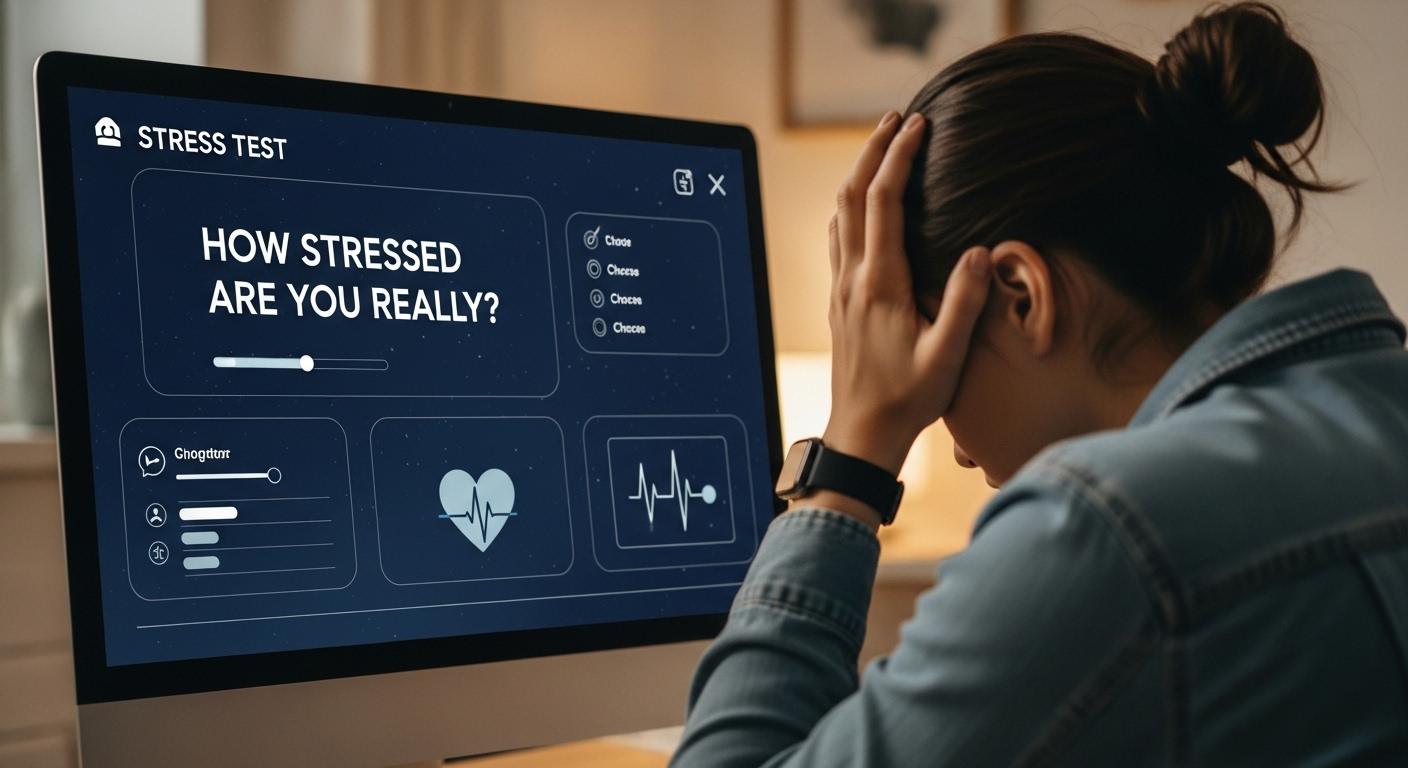
We often think of stress as something happening in our minds, worrying about work, feeling overwhelmed, juggling too many responsibilities, or going through a difficult season of life. But stress isn't only mental. Your body responds to stress too, and when that response continues for weeks, months, or even years, it can begin to affect nearly every system in the body.
You may notice that you're exhausted but can't relax. Your digestion is suddenly unpredictable. You're waking up in the middle of the night. You're craving sugar or caffeine just to make it through the afternoon. Or maybe you don't feel anxious at all, you simply feel depleted, disconnected, unmotivated, or "shut down."
These can all be signs that your nervous system is having a difficult time shifting out of a stress response. Understanding what's happening in the body is an important first step toward changing it.
A Quick Nervous System Lesson
Your autonomic nervous system controls many of the processes you don't consciously have to think about, including heart rate, blood pressure, digestion, breathing, and aspects of metabolism.
Two major branches are:
The sympathetic nervous system: "fight or flight"
This system helps mobilize the body when it perceives a threat or challenge. Your heart rate may increase, blood pressure rises, glucose becomes more readily available for energy, and resources are temporarily directed away from functions that aren't immediately necessary for survival.
This is incredibly useful when you need to respond to an actual emergency.
The parasympathetic nervous system: "rest and digest"
This branch supports recovery, digestion, energy conservation, and other restorative functions. When the body feels safe enough to shift toward this state, heart rate can slow, muscles relax, and digestive activity increases.
Neither system is "good" or "bad." A healthy nervous system moves between activation and recovery throughout the day. The problem occurs when the body experiences repeated stress without enough opportunity to recover. And stress doesn't only mean a demanding job or emotional conflict. The nervous system may also be responding to illness, pain, inflammation, inadequate nutrition, blood sugar fluctuations, excessive exercise, sleep deprivation, major life changes, caregiving, trauma, or simply having too much on your plate for too long.
Fight, Flight...and Freeze
Most people have heard of the fight-or-flight response, but freeze is important to recognize too.
When fighting or escaping doesn't feel possible, the nervous system can move toward a more immobilized or shut-down response.
Freeze can sometimes look like:
- Feeling emotionally numb or disconnected
- Extreme fatigue or heaviness
- Difficulty making decisions
- Procrastination or feeling unable to start simple tasks
- Brain fog
- Wanting to isolate
- Feeling "stuck"
- Low motivation
- Going blank during stressful situations
- Feeling overwhelmed by things that normally wouldn't feel difficult
Someone in a freeze state may not look stressed from the outside. In fact, they may feel like they "should" be doing more but simply can't seem to get themselves moving. This is why nervous-system health isn't just about learning how to relax. It's about helping the body regain flexibility, the ability to respond appropriately to stress and then return toward recovery afterward.
Signs Your Body May Be Experiencing Chronic Stress
Chronic stress can look different from person to person. You don't need to experience all of these for stress to be affecting your body. Some common signs include:
- Feeling wired but tired
- Difficulty falling or staying asleep
- Waking between 2-4 a.m.
- Jaw clenching or muscle tension
- Headaches
- Shallow or rapid breathing
- Heart racing or feeling "on edge"
- Irritability or feeling easily overwhelmed
- Anxiety
- Brain fog or difficulty concentrating
- Afternoon energy crashes
- Reliance on caffeine to function
- Sugar or carbohydrate cravings
- Digestive issues
- Changes in appetite
- Low motivation
- Feeling exhausted even after sleeping
- Difficulty relaxing without feeling guilty
- Feeling numb, disconnected, or shut down
How Chronic Stress Affects Digestion
There's a reason we call the parasympathetic state "rest and digest." When your body perceives an immediate threat, digesting lunch isn't the priority. Blood flow and energy can temporarily shift away from digestion and toward the muscles, heart, and brain.
Occasional stress isn't usually a problem. But when stress becomes chronic, it can contribute to changes in digestive function. Some people experience:
- Bloating
- Constipation or diarrhea
- Reflux
- Abdominal discomfort
- Changes in appetite
- Feeling overly full after meals
Stress also influences the communication between the brain and digestive tract, often referred to as the gut-brain axis. This is why addressing digestive symptoms sometimes requires looking beyond food alone.
Try this:
Before eating, put your phone away and take 5 slow breaths, making your exhale slightly longer than your inhale.
Sit down instead of eating while driving or standing at the kitchen counter.
Look at and smell your food before beginning your meal, then chew thoroughly.
These sound incredibly simple, and that's the point. You're giving your body cues that it can slow down enough to digest.
How Chronic Stress Affects Hormones
Stress involves communication between the brain and adrenal glands through what's known as the HPA axis (hypothalamic-pituitary-adrenal axis). Cortisol is one of the body's primary stress hormones. We need cortisol, it helps regulate our sleep-wake cycle, metabolism, immune function, and response to stress. The goal isn't to "eliminate cortisol."
Problems can arise when the body's stress systems are repeatedly activated and normal hormonal rhythms become disrupted. Chronic stress can influence reproductive hormone signaling and may contribute to changes in menstrual cycles, PMS symptoms, libido, and other hormone-related symptoms. Stress can also interact with thyroid function and metabolic health.
This is one reason hormone health isn't just about estrogen, progesterone, or testosterone.
Your overall stress load matters too.
How Chronic Stress Affects Sleep
Stress and poor sleep can create a frustrating cycle. You're stressed, so you don't sleep well.
You don't sleep well, so your body becomes less resilient to stress the following day.
You may feel exhausted during the afternoon but suddenly wide awake when your head hits the pillow. Supporting your circadian rhythm can make a significant difference.
Start with:
Get outside for natural light shortly after waking.
Keep your wake time relatively consistent.
Dim lights and reduce stimulating activities during the hour before bed.
Avoid relying on alcohol as a sleep aid, it may help you fall asleep initially but can disrupt sleep quality later in the night.
Create a short nighttime routine that tells your brain, "The day is over."
It doesn't need to be elaborate. Even 10 minutes of stretching, reading, breathing, or taking a warm shower can become a powerful cue when practiced consistently.
How Chronic Stress Affects Blood Sugar
When you're in fight-or-flight, your body wants quick access to fuel. Stress hormones such as cortisol and adrenaline help make glucose available so you have energy to respond to a perceived threat. That's helpful when you're running from danger. It's less helpful when the "danger" is an overflowing inbox, five hours of sleep, three cups of coffee, and skipping breakfast.
Chronic stress can make blood sugar regulation more challenging, while blood sugar swings themselves can feel stressful to the body.
This can contribute to:
- Irritability
- Shakiness
- Anxiety-like sensations
- Afternoon crashes
- Difficulty concentrating
- Intense hunger
- Sugar cravings
- Feeling tired after meals
Support more stable blood sugar by:
Eating regular, balanced meals rather than going long stretches without food if that leaves you depleted.
Prioritizing protein at meals. Aim for 25-30gm, especially for breakfast.
Including fiber-rich vegetables and healthy fats.
Pairing carbohydrates with protein, fat, or fiber rather than eating them alone.
Being mindful of large amounts of caffeine, especially on an empty stomach.
Taking a 10-15 minute walk after meals when possible.
Why You're So Tired
Being in a state of constant alertness takes energy. Imagine leaving your car running all day, even when you're not driving anywhere. Eventually, you're going to run through the fuel.
Chronic stress can contribute to poor sleep, muscle tension, disrupted appetite, blood sugar fluctuations, mental fatigue, and changes in activity levels, all of which can leave you feeling depleted.
And sometimes that depletion begins to look more like freeze than fight-or-flight.
Instead of feeling anxious and activated, you may feel like you have nothing left.
When this happens, trying to force yourself through another intense workout, stricter diet, longer to-do list, or productivity challenge isn't always the answer. Sometimes the body needs recovery before more demand.
How Do You Get Your Nervous System Out of Survival Mode?
There isn't one breathing exercise or supplement that magically "resets" your nervous system.
Nervous-system regulation is usually built through small, repeated experiences of safety, predictability, nourishment, movement, connection, and recovery. The good news is that you don't need an hour-long wellness routine to start.
1. Start With Your Breath
Your breathing pattern changes when you're stressed. It often becomes faster and shallower.
Try:
Inhale gently for 4 seconds.
Exhale slowly for 6 seconds.
Continue for 1-3 minutes.
Don't force an enormous breath. Slow, comfortable breathing is enough.
The longer exhale can help encourage parasympathetic activity.
2. Get Outside
Natural light, fresh air, and gentle movement can all provide helpful signals to the brain and body.
Try getting outside within the first hour of waking, even for 5-10 minutes.
Bonus: leave your phone inside.
3. Move: But Don't Always Push
Exercise is incredibly beneficial, but more isn't always better. If you're already exhausted and overwhelmed, intense exercise every day can become another stressor.
Your movement might sometimes look like:
- Walking
- Yoga
- Stretching
- Strength training
- Hiking
- Dancing
- Gentle mobility
Ask yourself: "What kind of movement would leave me feeling better afterward?"
4. Eat Enough
Under-eating can be a physiological stressor. Make sure you're getting enough total food, protein, carbohydrates, healthy fats, vitamins, and minerals to support what you're asking your body to do.
If you're constantly skipping meals and then wondering why you're anxious, exhausted, and craving sugar at 4 p.m., nutrition is an important place to start.
5. Reduce Unnecessary Stimulation
Our nervous systems weren't designed for constant notifications, news, emails, podcasts, social media, television, and multitasking from the moment we wake until we fall asleep. Experiment with creating small pockets of quiet. Drive without listening to anything. Take a walk without your phone. Eat one meal without a screen. Turn off unnecessary notifications.
Give your brain opportunities to experience nothing happening.
6. Use Sensory Cues of Safety
The nervous system constantly receives information through your senses.
Experiment with things that help your body soften:
- Warm showers or baths
- Calming music
- Time in nature
- Gentle stretching
- Humming or singing
- Massage
- Petting an animal
- A weighted blanket
- Sitting in sunlight
- Slow breathing
Different tools work for different people. Pay attention to what actually changes how your body feels.
7. Prioritize Connection
Humans regulate through connection. A meaningful conversation, laughing with a friend, hugging someone you trust, spending time with family, or simply being around people who make you feel comfortable can be deeply restorative. You don't have to regulate your nervous system entirely by yourself.
8. If You're in Freeze, Start Very Small
When you're shut down, a long list of "healthy habits" can make you feel even more overwhelmed.
Instead of asking: "How do I fix myself?"
Try asking: "What is one small thing I can do to help my body right now?"
That might be:
Opening the blinds.
Drinking a glass of water.
Standing outside for two minutes.
Eating something nourishing.
Taking a shower.
Texting someone you trust.
Walking around the block.
Stretching for five minutes.
The goal isn't to go from frozen to highly productive. The first goal is simply gentle movement toward engagement.
A Simple Nervous-System Reset to Practice Every Day
If this article feels like a lot, don't try to do everything at once. For the next two weeks, start with these five things:
Morning: Get 5–10 minutes of outdoor light soon after waking.
Meals: Eat regular, balanced meals with adequate protein and take five slow breaths before eating.
Movement: Move your body every day, even if it's just a 10-minute walk.
During stress: Practice 1-3 minutes of slow breathing with a longer exhale.
Evening: Create at least 10-20 minutes of lower stimulation before bed. Simple doesn't mean ineffective. Your nervous system learns through repetition.
A single relaxing evening won't erase months of stress. But consistently giving your body opportunities to experience nourishment, movement, connection, sleep, predictability, and moments of calm can gradually improve your ability to move between activation and recovery.
Regulation Doesn't Mean Being Calm All the Time
This may be the most important takeaway. A regulated nervous system doesn't mean you're peaceful 24/7. You will still get angry. You will still feel anxious sometimes. You'll have stressful days. Your heart will race when something scares you. You may occasionally feel overwhelmed or want to withdraw. That's normal.
The goal is flexibility and resilience, being able to experience stress when it's appropriate and then return toward baseline when the stressor has passed. If you feel like you've been living in fight-or-flight, or freeze, for months or years, give yourself time. Nervous-system regulation isn't something you accomplish in a weekend. It's something you practice.
And sometimes improving persistent fatigue, digestive issues, sleep disturbances, anxiety, or other symptoms also means looking deeper. Chronic stress can contribute to symptoms, but it isn't the only possible cause. We can help you identify underlying medical, nutritional, hormonal, or digestive factors that may also need attention. Your body isn't asking you to eliminate every source of stress.
It may simply be asking for more opportunities to recover from it.