
Why Strength Matters More as We Age
Muscle Is Your Longevity Insurance
When we think about healthy aging, we often think about heart health, cholesterol, blood pressure, or maintaining a healthy weight. But there is another piece of the longevity puzzle that deserves just as much attention: muscle.
Muscle isn't just about looking strong or being able to lift heavy weights. Maintaining muscle is an important part of staying mobile, metabolically healthy, resilient, and independent as we age.
And one of the most important things to understand is this:
The strength you want to have at 70, 80, and 90 is something you start building long before you get there.
We Naturally Lose Muscle as We Age
Beginning in adulthood, we gradually start losing muscle mass and strength, and that decline tends to accelerate as we get older, particularly if we aren't regularly challenging our muscles.
This age-related loss of muscle is known as sarcopenia.
Hormonal changes can contribute as well. Women may experience more noticeable changes in muscle and bone around the menopause transition as estrogen levels decline. Men also experience hormonal changes with age that can affect their ability to maintain muscle.
But aging does not mean we are destined to become weak. One of the most powerful tools we have to counteract age-related muscle loss is surprisingly simple: Use your muscles.
What Happens If We Don't Strength Train?
Imagine two people who are both 45 years old.
One walks regularly, strength trains a few times each week, eats adequate protein, and continues challenging their body over the next several decades.
The other becomes increasingly sedentary and doesn't intentionally work to maintain muscle. The difference may not seem dramatic at 45.
But fast-forward 20, 30, or 40 years.
Those small choices can compound. Loss of muscle and strength can eventually make everyday activities more difficult: getting up from the floor, carrying groceries, climbing stairs, lifting a suitcase, gardening, getting in and out of a car, or catching yourself when you stumble. Eventually, the issue isn't whether you can lift a heavy dumbbell.
It's whether you can confidently lift your own body.
Muscle Helps Protect Your Independence
Think about some of the movements required to live independently:
- Getting off the toilet.
- Standing up from a chair without using your hands.
- Carrying groceries into the house.
- Walking up stairs.
- Picking something up from the floor.
- Getting yourself back up if you fall.
These movements require strength. The more strength and physical capacity we maintain going into our later decades, the more reserve we have when aging, illness, injury, or periods of inactivity inevitably occur.
We're not building muscle just for today. We're building it for the person we want to be decades from now.
Strong Muscles Support Strong Bones
Muscle and bone health are closely connected. Resistance exercise places mechanical stress on the skeleton. That stress signals the body that those bones need to remain strong enough to handle the demands being placed upon them.
This becomes particularly important as bone density naturally declines with age.
Women experience an additional concern during and after menopause, when declining estrogen can accelerate bone loss and increase the risk of osteopenia and osteoporosis.
Men lose bone density with age as well. Strength training, adequate protein, appropriate nutrition, and weight-bearing activity can all play important roles in maintaining the musculoskeletal system as we age.
Muscle Helps With Balance and Fall Prevention
Falls are one of the greatest threats to independence later in life. Maintaining strength in the legs, hips, core, and upper body can support balance, coordination, mobility, and the ability to recover when we lose our footing. Strength training can also help us maintain the ability to get ourselves back up from the ground. That may not seem important when you're 35 or 45. At 80, it can be life-changing.
Muscle Is Metabolically Active Tissue
Muscle isn't only important for movement. It also plays a major role in metabolic health.
Skeletal muscle is one of the body's primary places for glucose disposal. When we eat carbohydrates, insulin helps move glucose from the bloodstream into cells, including muscle cells, where it can be stored and used for energy.
Maintaining and using our muscles can therefore support healthy glucose metabolism and insulin sensitivity. This becomes increasingly important as we age because insulin resistance and metabolic disease become more common over time.
Another reason to think differently about muscle: Muscle is not just something that makes us stronger. It is metabolically valuable tissue.
Building Muscle Can Help With Fat Loss, Too
For years, many people, especially women, have been taught that if they want to lose body fat, they need to eat less and do more cardio. But focusing only on the number on the scale can sometimes mean losing muscle along with fat, particularly when calories are significantly restricted and strength training isn't part of the plan.
That's not what we want.
As we age, preserving lean muscle becomes increasingly important, which is why shifting the goal from simply “losing weight” to improving body composition can be so valuable.
Strength training helps maintain and build lean muscle while supporting fat loss. Having more muscle also increases the amount of metabolically active tissue in the body, meaning muscle requires energy to maintain, even at rest. While this effect isn't enormous on its own, over time, maintaining more lean mass can contribute to a healthier metabolism and make long-term weight management easier.
Building and regularly using muscle can also improve insulin sensitivity, helping the body use glucose more efficiently rather than leaving excess glucose circulating in the bloodstream. And there's another important shift that can happen when we focus on strength rather than just the scale: Your body can be changing even when your weight isn't changing dramatically.
You may be losing body fat while maintaining or gaining muscle. Your clothes may fit differently, your waist circumference may decrease, you may feel stronger, and your metabolic health may improve, even if the scale isn't moving as quickly as you expected.
This is why the scale tells us only one small part of the story.
Rather than asking only, “How much weight have I lost?” consider asking:
Am I getting stronger? Am I maintaining muscle? Is my body composition improving? Do I have more energy? Can my body do more than it could six months ago? Especially as we move through our 40s, 50s, 60s, and beyond, maintaining muscle while reducing excess body fat is far more valuable than simply chasing a lower number on the scale.
Muscle Gives Us a Reserve for Illness and Injury
At some point, most of us will experience an illness, surgery, injury, or period when we're unable to be as active. Periods of inactivity can lead to loss of muscle and physical conditioning, particularly in older adults. Going into those situations with greater strength and muscle mass gives the body more physical reserve. Think of muscle like a savings account. You want to spend decades making deposits so that if life eventually requires a withdrawal, you have something there to draw from.
Walking Is Wonderful, but It Isn't Enough
Walking is one of the best habits we can maintain as we age. It supports cardiovascular health, mental health, mobility, blood sugar regulation, and overall well-being.
But walking and strength training do different things. If we want to preserve muscle and strength, our muscles need resistance.
That might come from:
- Dumbbells
- Resistance bands
- Weight machines
- Body-weight exercises
- Pilates
- Functional strength exercises
- Carrying, pushing and pulling resistance
You don't have to become a bodybuilder. You simply need to give your muscles a reason to stay.
Don't Forget About Protein
Exercise provides the stimulus to build and maintain muscle, but the body also needs the raw materials to do it. That's where protein comes in.
Protein provides amino acids that the body uses to repair and build muscle tissue.
Protein needs vary based on body size, age, activity level, health status, and individual goals. Rather than focusing only on a daily number, it can be helpful to include a meaningful source of protein throughout the day.
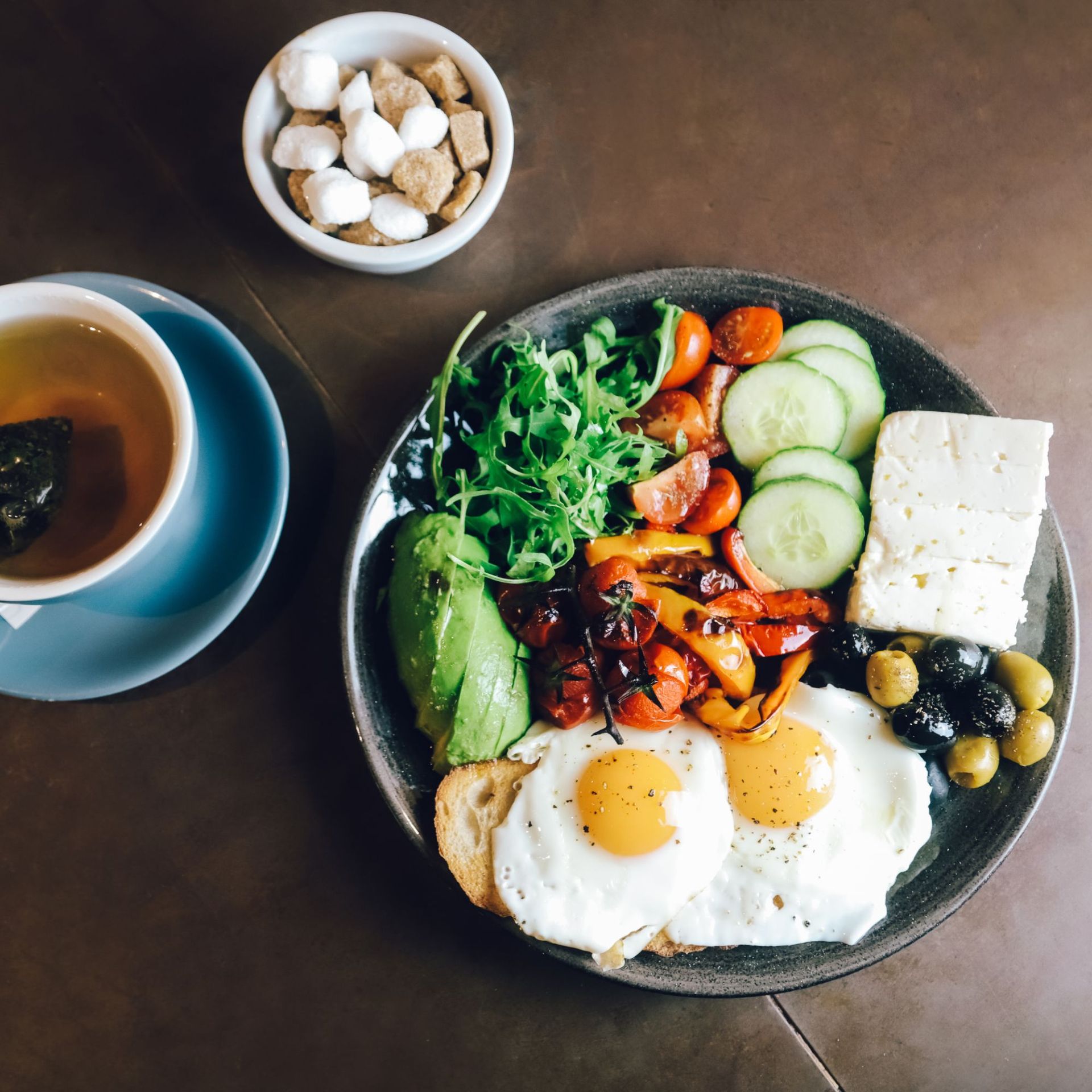
Examples include: Eggs, Fish, Chicken or turkey, Lean meats, Greek yogurt or cottage cheese, Tofu or tempeh, Beans and lentils, Edamame, Protein powders when appropriate.
Pairing adequate nutrition with regular resistance training is one of the most effective ways to support muscle throughout adulthood.
Start Where You Are
If you haven't exercised in years, you haven't missed your opportunity. You also don't need to jump into an intense workout program. Start with what your body can safely handle today. That might mean sitting down and standing back up from a chair several times.
It might mean using five-pound dumbbells. It might mean resistance bands in your living room. Over time, the goal is progressive resistance, gradually asking your muscles to do a little more as they become stronger. Consistency matters far more than perfection.
Train for Your 80-Year-Old Self
Instead of exercising only because you want to lose weight or change how your body looks, consider a different motivation. Train for your future life.
Train so you can carry your own groceries.
Train so you can put your suitcase in the overhead bin.
Train so you can hike on vacation.
Train so you can play with your grandchildren.
Train so you can get down on the floor—and get back up again.
Train so you can travel.
Train so you can continue doing the things that make your life feel like yours.
The goal isn't simply to live longer. The goal is to increase the number of those years that we can live with strength, mobility, confidence, and independence. And whether you're 30, 45, 60, or 75, it's worth investing in the muscle you'll want later.