

Fiber: the Undervalued Nutrient

The Healing Collective • November 4, 2022
This week, I want to discuss the importance of a nutrient we sometimes don’t pay too much attention to: Fiber. It is important to our body’s functionality for a number of reasons. Coming from plants in both soluble and insoluble forms, fiber works to help regulate our body’s processes and maintain a clean dietary tract for food processing as a whole.

Fiber helps to move stool through your digestive tract and colon. It actually helps to prevent colon cancer since it keeps your colon clean and healthy. Other health benefits include reducing the incidence of heart disease, lowering cholesterol, blood pressure, glucose levels and inflammation, and even weight loss. Fiber creates a fullness within your intestines that helps you eat less. You feel more full and satisfied with a fiber rich diet.


Did you know that the majority of Americans don’t reach the recommended daily intake of fiber which is 25 grams? Most Americans only consume less than 10 grams. Increasing your daily intake should be a gradual process since it may cause more gas at first. This will pass the more consistently you consume it.
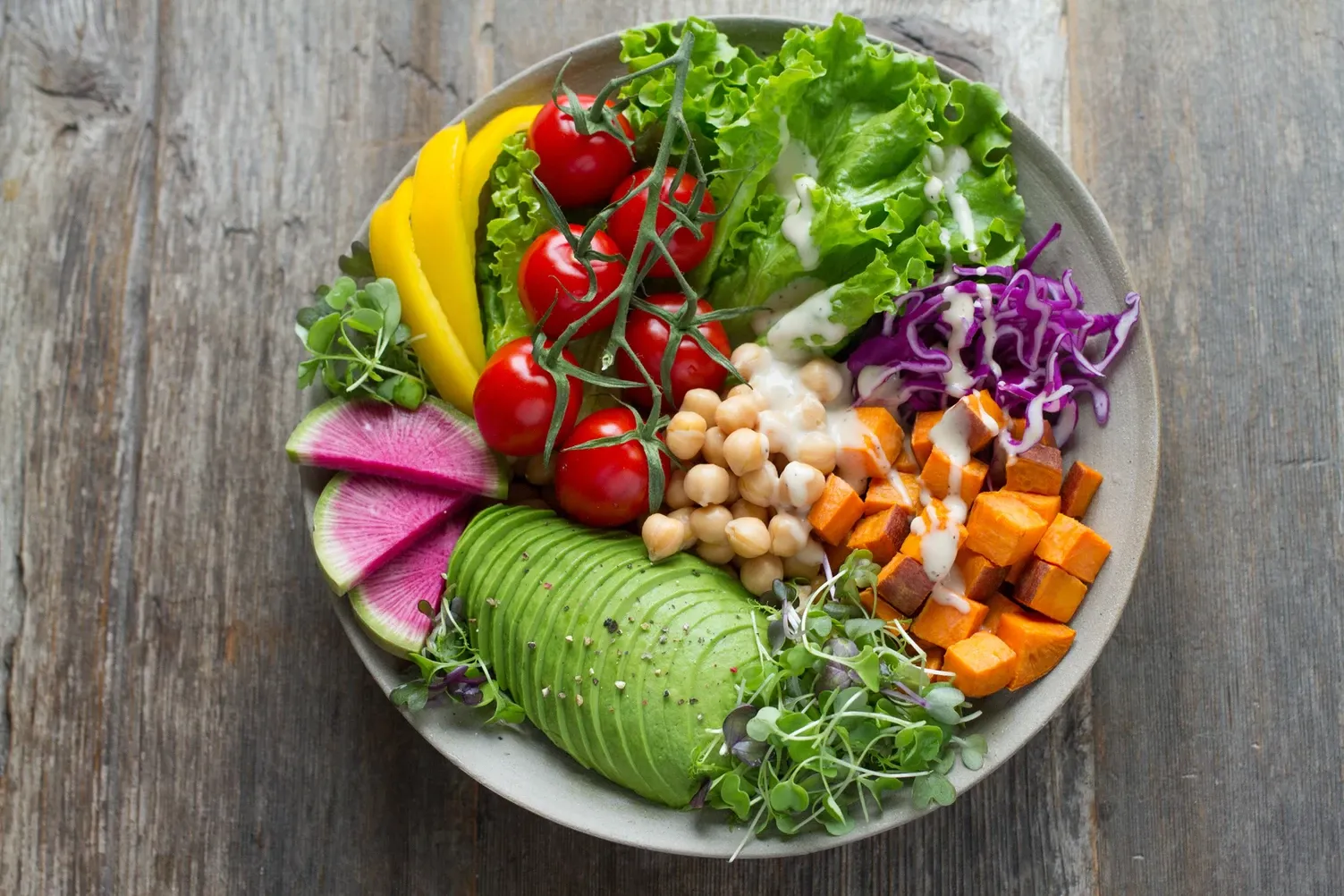

Food rich in fiber include: raspberries, avocados, chickpeas, black beans, flax and chia seeds, almonds, lentils, quinoa, okra, peas, and artichokes. 


Above I had mentioned moving stool through the digestive tract. For those who are detoxing, this is especially important. When you detox, it means cleansing the blood. This is done by removing impurities from the blood in the liver, where toxins are processed for elimination. The body also eliminates toxins through the kidneys, intestines, lungs, lymphatic system, and skin. Most binders to remove toxins from these body parts can cause constipation. The toxins will remain in the system if they are not eliminated. Fiber rich foods during a detox/cleanse will help, as will drinking water (divide your body weight in 2- aim to drink that amount in ounces per day).

By Raechel Koob • September 24, 2026
Researchers are still learning exactly how reproductive hormones affect ADHD, and we don't yet have enough menopause-specific clinical research to draw definitive conclusions. However, emerging evidence suggests that hormonal transitions can influence ADHD symptoms in women.
By Raechel Koob • September 16, 2026
In a world constantly asking for our attention, intentionally choosing where we place that attention may be one of the simplest ways we can begin caring for our nervous system and overall well-being.
By Raechel Koob • September 3, 2026
When we think about healthy aging, we often think about heart health, cholesterol, blood pressure, or maintaining a healthy weight. But there is another piece of the longevity puzzle that deserves just as much attention: muscle.
By Raechel Koob • August 28, 2026
We often think of stress as something happening in our minds, worrying about work, feeling overwhelmed, juggling too many responsibilities, or going through a difficult season of life. But stress isn't only mental. Your body responds to stress too, and when that response continues for weeks, months, or even years, it
By Raechel Koob • August 6, 2026
You've probably heard that breakfast is the most important meal of the day. While that isn't necessarily true for everyone, what you choose to eat when you break your fast can have a significant impact on your energy, focus, cravings, mood, and blood sugar throughout the day.
By Raechel Koob • July 16, 2026
Fresh from the Farmers Market: What to Eat This July
By Tracy Shulsinger • July 10, 2026
Wildfire smoke and poor air quality can cause fatigue, brain fog, headaches, inflammation, and more—not just breathing problems. Learn how smoke affects the body and discover practical, evidence-informed ways to support your health, including hydration, nutrition, antioxidants, and functional medicine approaches.
By Raechel Koob • June 29, 2026
Have you ever experienced fatigue, headaches, muscle cramps, brain fog, dizziness, or difficulty staying hydrated—even though you're drinking plenty of water? Electrolytes are essential minerals that play a vital role in hydration, nerve signaling, muscle function, energy production, and overall health. Unfortunately,
By Raechel Koob • June 17, 2026
Have you ever noticed that stress affects your stomach—or that digestive issues seem worse during periods of anxiety? That's because your gut and brain are constantly communicating. In fact, scientists often refer to the gut as the body's "second brain" because of the intricate relationship between the digestive system
By Raechel Koob • May 20, 2026
Low libido is far more common than many people realize, yet it is often treated as something people simply have to “live with” as they age, experience stress, or go through hormonal changes.