
Low Oxalate Foods May Help Reduce Auto-Immune Disease Risk, Autism and Fibromyalgia

The Healing Collective • June 21, 2022
Article by Ronald Grisanti D.C., D.A.B.C.O., DACBN, MS, CFMP complements of Functional Medicine University

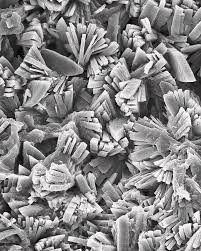
Oxalate (or oxalic acid) is a compound found in a variety of plant-based foods. Under a microscope, oxalates are jagged in structure and look somewhat crystalline.


During metabolism, oxalic acid combines with other minerals like calcium, sodium, magnesium, and potassium to form compounds like calcium oxalate and sodium oxalate in the kidneys. This in turn may be responsible for mineral deficiencies. (Fig. Kidney Stone Under Microscope)


One of the most common issues with increased oxalates in the urine (hyperoxaluria) is the formation of kidney stones. However, if the body struggles to eliminate oxalate it can accumulate as crystals anywhere in the body. Commonly it accumulates in blood, then the eyes, bones, skin, muscles, blood vessels, heart and other organs.


High oxalates have also been linked with autism and inflammatory bowel disease.  It can also be an underlying issue in those with ongoing gut problems or irritable bowel syndrome.


Tissue destruction, fibromyalgia and autoimmune diseases such as rheumatoid arthritis and lupus are all issues that can be related to oxalates because oxalate in tissues trigger the inflammasome reactions of the body's innate immune system.


As a side note, the thyroid will also suffer as oxalates can bind to T3 and disturb thyroid function.


The following list of vegetables should be helpful in identifying foods high in oxalates.
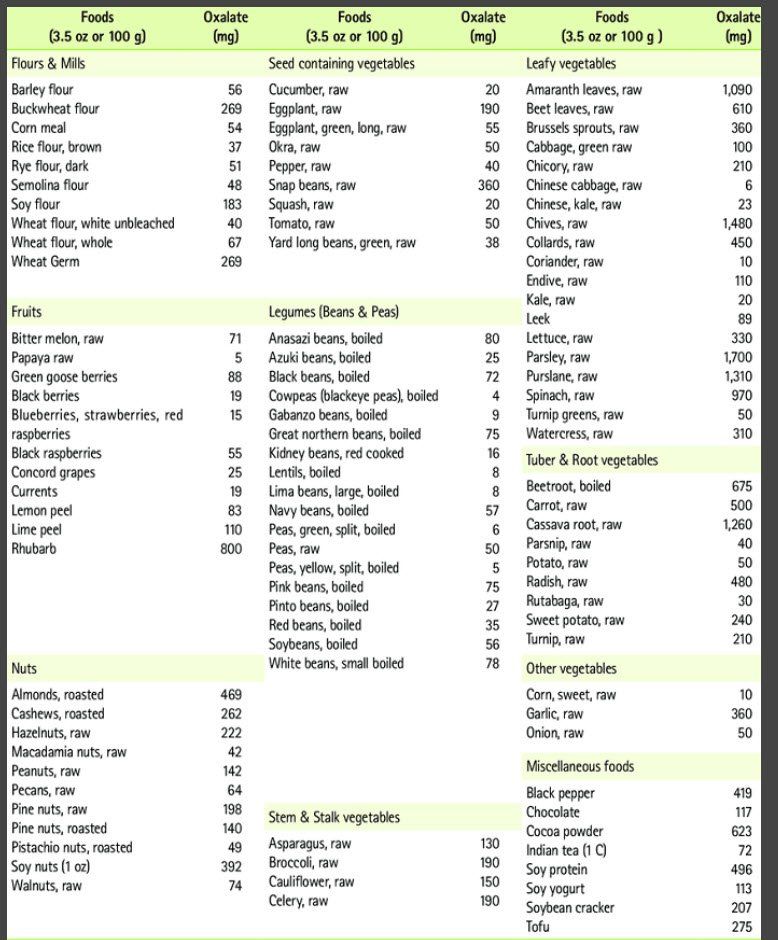
As you can see from the list above your favorite spinach (> 900 mgs of oxalates) green smoothie may be contributing to a host of health issues.


Low oxalate diets involve eating less food that's high in oxalates. Foods high in oxalates include certain types of fruits, vegetables, nuts, grains, and legumes.


On a low oxalate diet, you should limit your oxalate to 40 to 50 mg each day.

Summary

Whether for kidney stone prevention or to address other possible chronic health conditions, a low oxalate diet may be the solution.


On a low oxalate diet, you may notice a decreased risk of kidney stones, improved mineral absorption, diminished joint and muscle pain, improvement in fibromyalgia, autism symptoms and improvement of autoimmune symptoms.


Here's a deep dive with Emily Givler, DSC, on the latest research & treatment of Oxalates.


The information on this site is not intended to replace a one-on-one relationship with a qualified health care professional and is not intended as medical advice. It is intended as a sharing of knowledge and information from the research and experience of Dr. Grisanti and his functional medicine community. Dr. Grisanti encourages you to make your own health care decisions based upon your research and in partnership with a qualified health care professional.


We offer whole-person functional and integrative care at The Healing Collective. Contact us to schedule a free consult or to become a new patient at our clinic in Niwot, CO. Learn more about our functional medicine providers here.

By Raechel Koob December 12, 2025
15 tips to support your bowel movements with functional medicine recommendations
By Raechel Koob November 25, 2025
Simple, delicious gluten free recipes, food and drinks, to enjoy this holiday season!
By Tracy Shulsinger November 15, 2025
New FDA Decision Brings Clarity for Menopause Care, Hormone Therapy: What You Should Know About the Latest Change
By The Healing Collective November 12, 2025
If you’ve ever taken a handful of vitamins and wondered how much your body is actually absorbing — you’re not alone. Nutrients taken orally can lose a significant percentage of their potency as they move through the digestive system. IV nutrient therapy changes that equation entirely. By delivering vitamins, minerals, amino acids, and antioxidants directly into your bloodstream, IV therapy allows for near-100% absorption and rapid cellular delivery — something no capsule or powder can match. The result? Faster energy restoration, deeper detoxification, and noticeable vitality that most people feel within hours to a day. At The Healing Collective Functional & Integrative Medicine in Niwot, CO , we use IV therapy not just for hydration or recovery, but as a powerful tool for whole-body healing — especially when combined with good nutrition and targeted supplementation. Because while IV therapy provides an incredible boost, food and supplements remain the foundation of sustained wellness. Without them, many people would experience even greater nutrient deficiencies, fatigue, and barriers to healing. Together, a nutrient-rich diet, quality supplementation, and IV therapy create a synergistic path to true cellular vitality.
gut causing symptoms due to stress
By Raechel Koob October 31, 2025
Stress doesn’t just live in your mind — it shows up in your gut. Discover how chronic stress impacts digestion, the microbiome, and your mood, and learn evidence-based ways to restore your gut–brain balance.
By Tracy Shulsinger October 20, 2025
Restore Energy, Metabolism, and Vitality — Safely and Holistically
By Tracy Shulsinger October 8, 2025
Menopause is a Journey Part 2, The Truth Behind the Confusion
By Raechel Koob April 25, 2025
Seasonal Allergies: gut and liver connection
By Raechel Koob March 6, 2025
Avocado Egg Salad
By Raechel Koob March 6, 2025
Mango Chicken Salad with Avocado