
Enjoy the Holidays Without the Food Guilt: Finding Balance With Holiday Eating
How to support blood sugar, digestion, and a healthy relationship with food while enjoying your favorite holiday traditions.

Thanksgiving is a time for gathering, celebrating, and sharing meals with the people we love. But for many people, the holiday season can also bring anxiety around food.
Between rich meals, desserts, holiday parties, and changes to our normal routines, it's easy to fall into an all-or-nothing mindset.
You might find yourself thinking:
- "I need to eat less today because I'm having a big dinner tonight."
- "I'll get back on track after the holidays."
- "I shouldn't have eaten that dessert."
- "I'll need to exercise more tomorrow to make up for what I ate."
These thoughts are common, but they can create unnecessary stress around something that should be enjoyable. The good news? You can support your health while enjoying holiday foods without guilt, restriction, or rigid food rules.
Here's how.
One Holiday Meal Doesn't Define Your Health
Our health is influenced by patterns and behaviors over time, not by a single meal or celebration.
Enjoying pumpkin pie, mashed potatoes, stuffing, or your favorite family recipe doesn't erase the benefits of the nourishing habits you practice throughout the year.
In fact, approaching holiday eating with flexibility can help you maintain a healthier relationship with food. Instead of focusing on what you should avoid, consider what you can add to your meals to help your body feel its best.
1. Build a Balanced Plate Without Restriction
You don't need to skip your favorite holiday dishes to create a satisfying meal.
A balanced plate can include a combination of:
- Protein: Turkey, chicken, fish, beans, or other protein-rich foods
- Fiber-rich foods: Roasted vegetables, leafy greens, Brussels sprouts, or whole grains
- Healthy fats: Olive oil, nuts, seeds, or avocado
- Carbohydrates you enjoy: Potatoes, stuffing, rolls, sweet potatoes, or other traditional favorites
Protein, fiber, and fat can help slow digestion and moderate the rise in blood sugar after eating. But remember, these are helpful nutritional principles, not strict rules.
Your Thanksgiving plate doesn't have to look a certain way to be healthy.
2. Don't Skip Meals to "Save Calories"
It may seem logical to skip breakfast or lunch when you know a large holiday dinner is coming.
However, arriving at a meal extremely hungry can make it harder to recognize comfortable fullness and may leave you feeling uncomfortable afterward.
Instead, consider eating your usual meals and snacks throughout the day, just half the serving you usually would do.
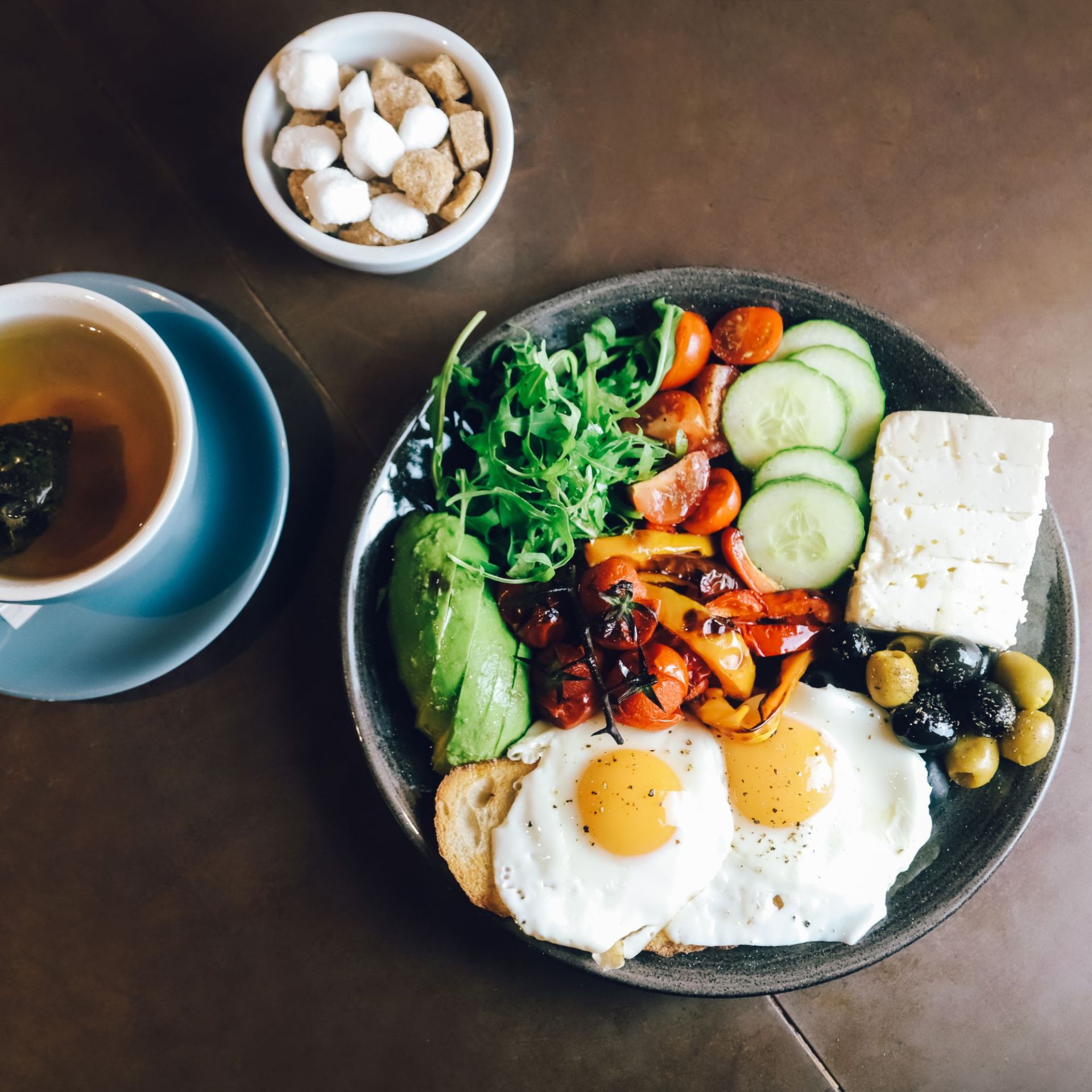
A protein-rich breakfast, such as eggs and veggies or Greek yogurt with berries, can help provide steady energy.
If dinner is later than usual, a small snack may also be helpful.
The goal is to arrive at your holiday meal feeling comfortably hungry rather than ravenous.
3. Slow Down and Enjoy Your Food
Digestion begins before food even reaches your stomach.
The sight, smell, and anticipation of food help stimulate digestive processes, including saliva and digestive secretions.
Eating quickly or while distracted can make it more difficult to notice hunger and fullness signals.
Try these simple practices:
- Sit down while eating.
- Take a moment to appreciate the meal.
- Chew your food thoroughly.
- Pause occasionally between bites.
- Notice the flavors and textures of your favorite dishes.
- Check in with how your body feels as you eat.
Mindful eating isn't about controlling how much you consume. It's about becoming more connected to the experience of eating. And sometimes that means enjoying a second helping of your favorite dish!
4. Support Your Blood Sugar Naturally
Holiday meals often contain more carbohydrates and desserts than our everyday meals.
For most people, occasional changes in eating patterns are a normal part of life.
If you'd like to support more stable blood sugar levels, consider these simple strategies:
Include protein and fiber. Pairing carbohydrate-rich foods with protein and fiber can help moderate post-meal blood sugar responses.
Move gently after eating. A relaxed 10-15-minute walk after a meal can support digestion and help reduce post-meal blood sugar elevations.
Stay hydrated. Drinking water regularly throughout the day supports normal digestive and metabolic functions.
Prioritize sleep. Adequate sleep plays an important role in glucose regulation, appetite, and energy.
These practices can support overall health without turning your holiday meal into a list of rules. If you have diabetes or another condition requiring specific dietary management, continue following your individualized care plan.
5. Give Your Digestive System Some Support
Holiday meals are often larger, richer, and different from what we typically eat.
For some people, this can lead to temporary bloating, fullness, gas, or indigestion.
A few simple strategies may help:
- Eat at a comfortable pace.
- Take a gentle walk after your meal.
- Stay adequately hydrated.
- Wear comfortable clothing that doesn't put pressure on your abdomen.
- Avoid lying down immediately after a large meal, especially if you experience reflux.
- Pay attention to foods that consistently trigger digestive discomfort.
Remember that some fullness after a celebratory meal is normal.
If digestive symptoms are frequent, severe, or persistent, it's worth discussing them with a healthcare professional rather than assuming they're simply caused by holiday foods.
6. Let Go of the Need to "Make Up" for Eating
One of the most important ways to support a healthy relationship with food is to move away from the idea that eating must be earned or compensated for.
You don't need to:
- Skip meals the following day
- Complete an intense workout to burn off dinner
- Begin a restrictive cleanse
- Eliminate carbohydrates or desserts
- Feel guilty for enjoying a celebration
Your body is remarkably capable of processing a variety of foods.
After a holiday gathering, simply return to your normal eating, movement, and sleep routines. No reset, detox, or punishment required.
7. Remember That Food Is More Than Fuel
Food provides nutrients, but it also connects us to family, culture, tradition, and meaningful experiences. A favorite holiday recipe might remind you of childhood, a loved one, or a special family tradition. These experiences matter, too. A balanced approach to wellness recognizes that physical nourishment and emotional well-being can coexist.
You can care about nutrition and enjoy dessert.
You can prioritize healthy habits and participate fully in holiday celebrations.
You can nourish your body without striving for perfection.
A Healthier Approach to the Holidays
This Thanksgiving, instead of asking yourself whether you've eaten perfectly, consider asking:
- Did I enjoy my meal?
- Did I feel connected to the people around me?
- Did I listen to my body's needs?
- Did I allow myself to experience the holiday without unnecessary guilt?
The goal of healthy eating isn't perfection. It's creating habits that support your well-being while allowing room for joy, flexibility, and connection.
Your relationship with food is part of your overall health, and it deserves just as much care as the food on your plate.
Supporting Your Health Beyond the Holidays
At The Healing Collective, we take an individualized, whole-person approach to nutrition and wellness.
Whether you're looking to improve digestive health, support metabolic wellness, or develop sustainable nutrition habits, our team is here to help.
From our team to your family, we wish you a happy, healthy, and nourishing Thanksgiving.