

Menopause is a Journey Part 1
The next several blogs will be presenting a series of information about menopause. This topic is SO immense that it will take many months to share...besides menopause is a journey!
This series will open with presenting an article, “Women Have Been Mislead About Menopause” in the New York Times that was published in February 2023.
I tremendously appreciate this article due to the blend of compassion and sensitivity regarding women who suffer through menopause and the scientific reporting from many excellent sources including large and small studies and experts in the field.
Menopause is a topic that I am very passionate about. It affects every single woman and despite this wide reach, there is still a high amount of reported confusion, distress and poor impacts to quality of life and global health reported by women during per-menopause and menopause. One healthcare topic that affects half of the population in the world is worth giving lots of attention! But yet there is tremendous controversy about this topic and many women report difficulty having a satisfying conversation w/ their providers about menopause- one where they feel well informed of benefits and not just risks, lack of judgment and a sensitivity to their experience.
Here are some important take-aways from this article regarding the many signs and symptoms women can experience:
- About 85% of women experience symptoms during menopause
- Hot flash’s are too often all that is discussed and understood by women as menopause symptoms. In fact there are whole body, systemic changes as well. The severity and experiences vary woman to women but here is a more complete list of signs and symptoms:
- Brain: Vascular effects, cognitive changes/impairments, poor word finding, forgetfulness, short term memory disturbances.
- Mental/Emotional Health- Insomnia, depression, anxiety, irritability, reduced libido
- Skin/Mucous Membranes- Dryness to skin, mouth, eyes; accelerated skin aging in appearance and loss of elasticity
- Cardiovascular- Increased cholesterol
- Gastrointestinal- Digestive disturbances
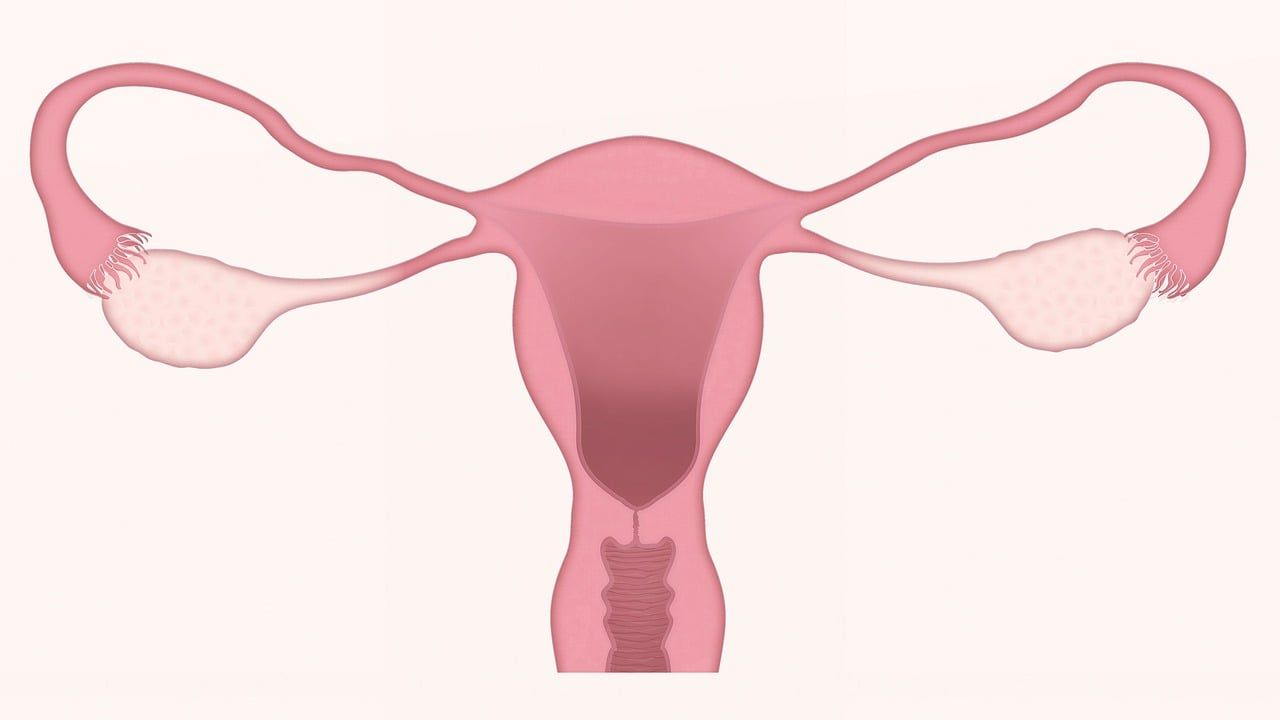
- Genitourinary/Vaginal- urinary leakage/incontinence, dryness, painful intercourse, atrophic vaginitis, increase in infections such as “BV” (bacterial vaginitis) and yeast infections, excessive vaginal bleeding, unpredictable menstrual cycles, shortening or lengthening of menstrual cycle.
- Musculoskeletal- joint pain, bone density loss that can lead to Osteopenia and further to Osteoporosis
- Metabolic- weight gain and body composition changes including reduction in muscle mass and increase in belly fat
Peri-Menopause and Menopause Timing:
- Hormonal decline can begin in the mid 30s for some women. This can be accelerated by exogenous hormones (birth control, fertility treatments), stress and nutritional deficiencies.
- Peri- Menopause typically begins in the mid to late 40s
- Peri-menopause lasts about 4 years on average. This is a time of more accelerated hormone reduction due to reduction of hormone production from the ovaries.
- Menopause, a.k.a post-menopause, is defined as the absence of menstruation for 365 days- a full year.
In the next blog post I will discuss the Women’s Health Initiative (WHI) study that was conducted in 2002 and created major changes in how women and medical providers perceive hormone therapy. This created huge disruption due to how the information was provided to the media and then what was shared with the public, and what wasn’t shared. Still, over 20 years later women and healthcare are experiencing the negative aftermath.
Be well!
Tracy Shulsinger, FNP